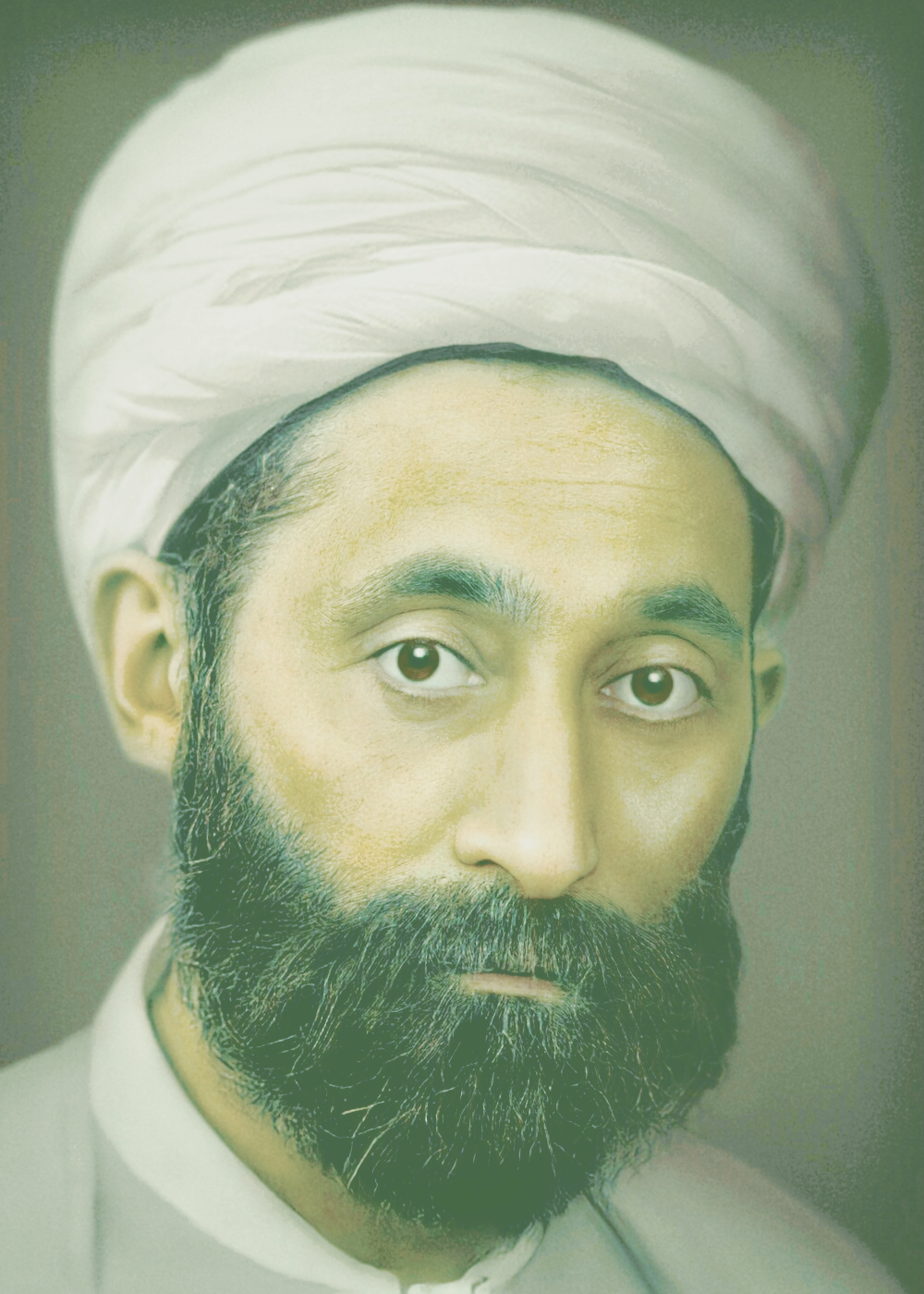
ʿAbd al-Ḥamīd Ibn Bādīs–Religious Reform and the Architecture of Anti-Colonial Liberation in the Maghreb

The Pulpit and the Pen The intersection of religious scholarship and anti-colonial resistance constitutes one of the most understudied yet structurally vital dimensions of twentieth-century liberation movements. In the Maghreb, where French colonial policy systematically dismantled indigenous educational, judicial, and linguistic institutions, Islamic scholars emerged not merely as custodians of doctrine but as architects of Read more

Continue Reading

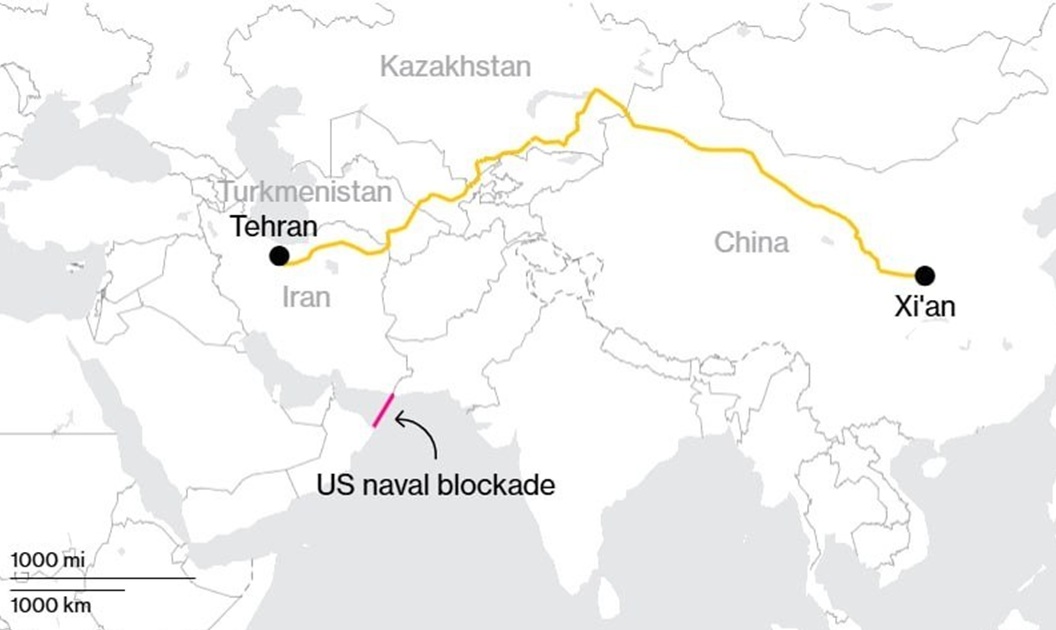
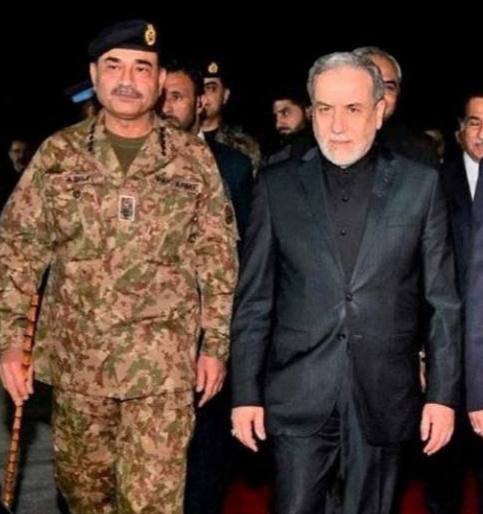
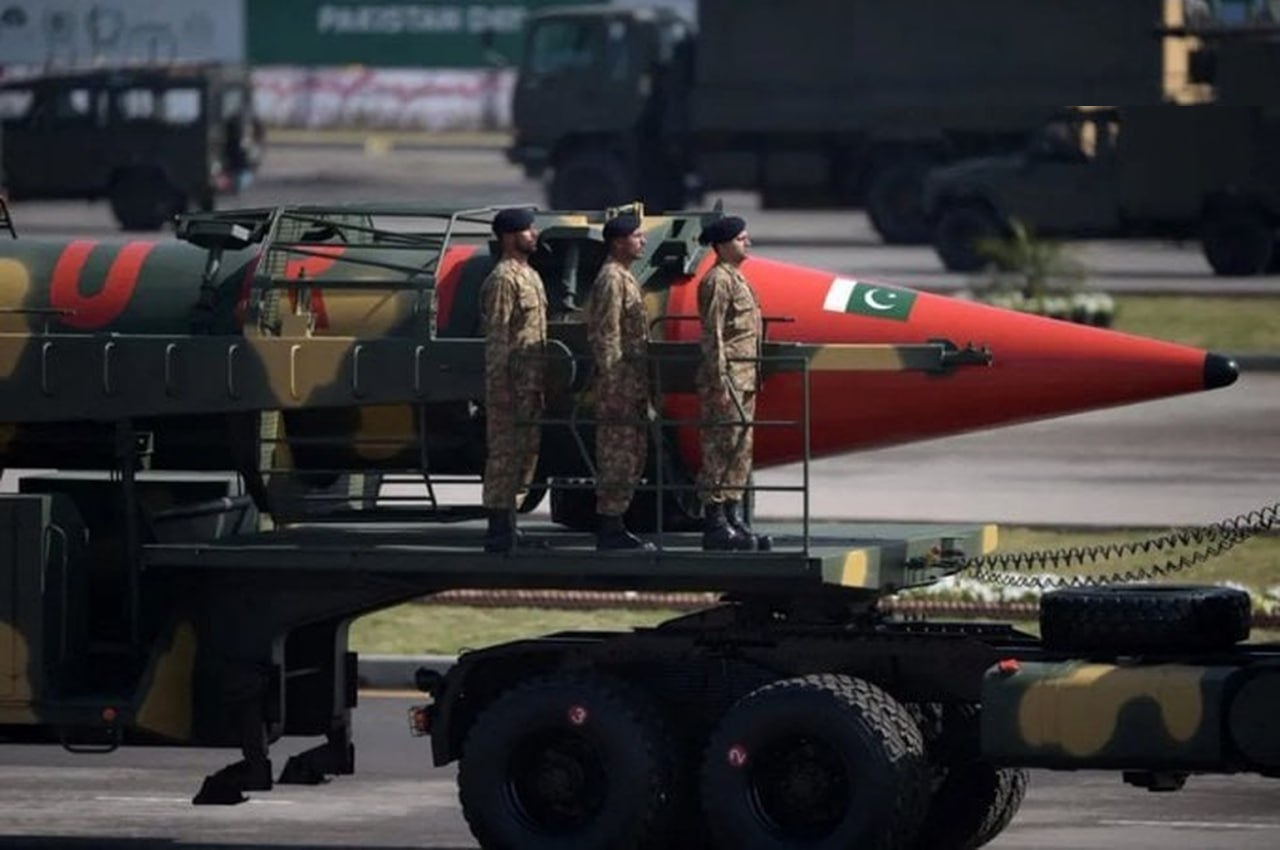
Beyond the War on Iran–The Comlex Ways Ancient Lineage Shapes Modern Diplomacy in Tehran and Pakistan

In the frantic coverage of breaking news from the Middle East, Western media often focuses on the visible: missile trajectories, diplomatic statements, and strategic calculations. When reports emerged that Pakistan’s Field Marshal Asim Munir would meet Iran’s Foreign Minister Abbas Araqchi in Tehran—reportedly carrying a message from American officials—the headlines centered on geopolitical maneuvering. What Read more

Continue Reading

When Power Trumps Principle–Netanyahu, Jesus, and the Philosophy of Ruthlessness

Israeli Prime Minister Benjamin Netanyahu recently offered the world a stark proposition: “Jesus Christ has no advantage over Genghis Khan.” Quoting historian Will Durant, he argued that in a dangerous world, morality without power is futile—that to defeat evil, one must be willing to match its ruthlessness. It is a compelling soundbite for an age Read more

Continue Reading

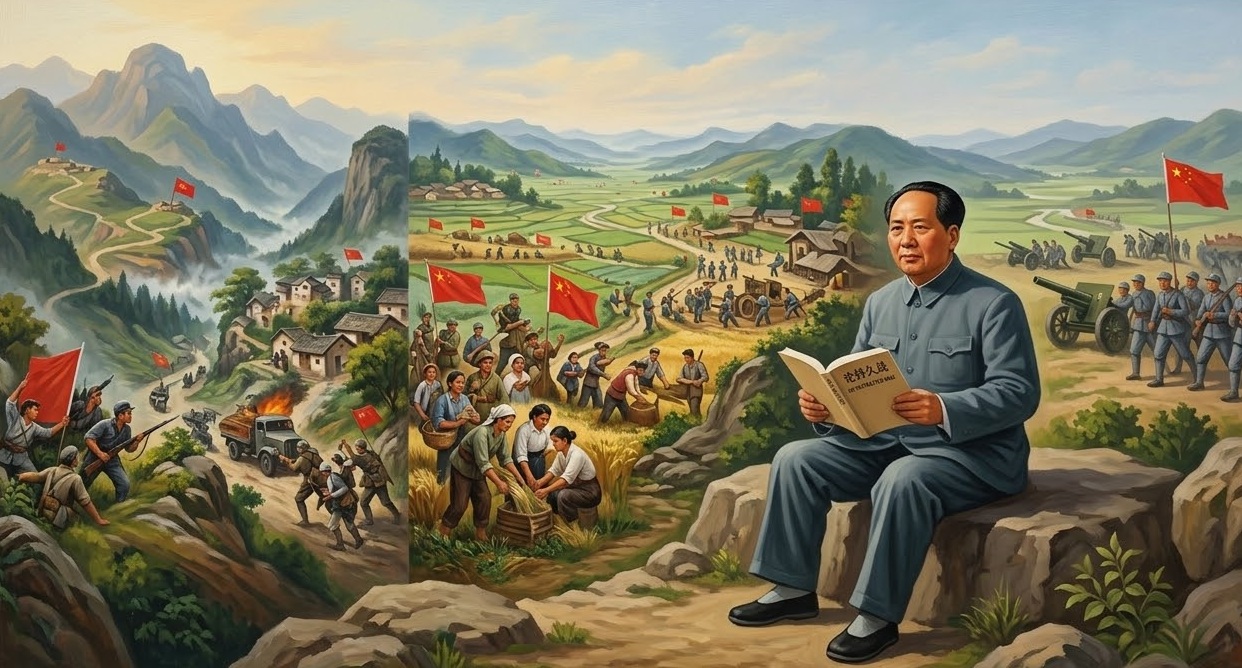
The Convergence of Maoist Protracted War Theory and Iranian Mosaic Defense Doctrine

Asymmetric Endurance Abstract In the contemporary landscape of geopolitical conflict, the disparity between conventional military power and asymmetric resistance has necessitated the evolution of strategic doctrines that prioritize endurance over immediate victory. This article examines the Iranian strategic framework known as “Mosaic Defense,” analyzing its structural and theoretical alignment with the classical principles of protracted Read more

Continue Reading

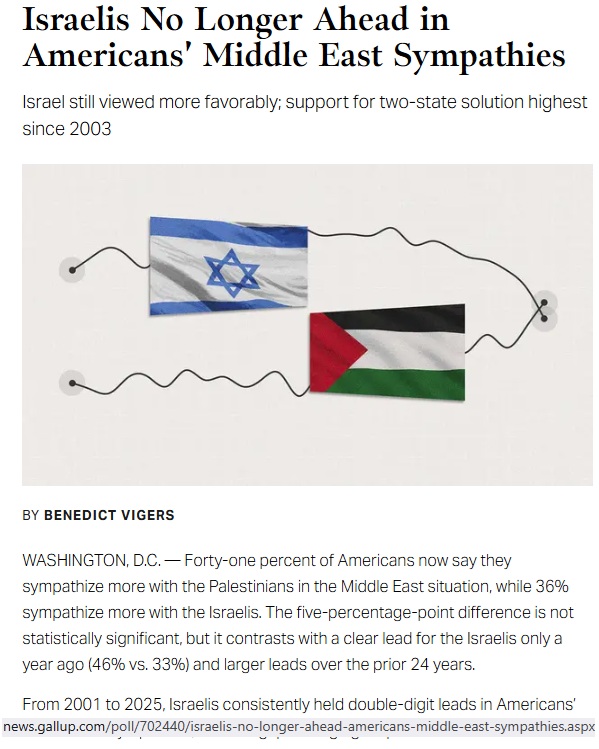
A Historic Shift: US voters sympathize more with Palestinians than Israelis for first time

In a notable departure from decades of consistent polling data, American public opinion on the Middle East conflict has reached a turning point. For the first time in more than twenty years, a greater share of U.S. adults express sympathy for the Palestinian people than for Israel, signaling a profound evolution in the nation’s political Read more

Continue Reading

Trump’s “Mission Accomplished” Moment

How the Iran Nuclear Pretext Reveals a Broader Agenda of Coercion In the annals of modern geopolitical theater, few phrases carry as much ironic baggage as “mission accomplished.” Eight months after the United States launched airstrikes on Iranian nuclear facilities under the codename “Operation Midnight Hammer,” President Donald Trump finds himself in a rhetorical loop: Read more

Continue Reading

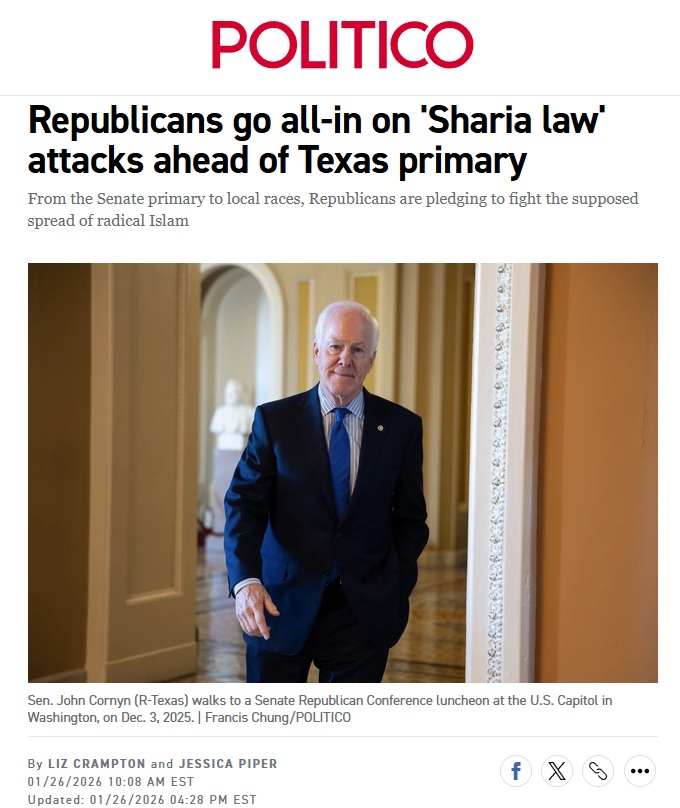
The Enduring Scars of Expedient Bigotry

How Primary Politics Institutionalizes Prejudice Against American Muslims American democracy faces a profound paradox: the very mechanisms designed to ensure representative governance—the primary election system—have become accelerants of corrosive rhetoric that inflicts lasting damage upon the nation’s social fabric. In the pursuit of narrow electoral victories, political actors increasingly deploy narratives rooted in fear, misinformation, Read more

Continue Reading

The Doctrine of Unconstrained Will

Trump’s U.S. Foreign Policy Revealed As of 2026, the United States under the second Trump administration has executed a foreign policy revolution. The events are stark, documented, and without modern precedent: the successful military abduction of Venezuelan President Nicolás Maduro, now imprisoned in a federal facility awaiting trial; the transformation of Syrian jihadist commander Abu Read more

Continue Reading

Why the Saudi–UAE Rift in Yemen Matters for the Gulf

What was once carefully managed behind closed doors has now spilled into the open. The escalating dispute between Saudi Arabia and the United Arab Emirates over Yemen marks one of the most serious ruptures within the Gulf Cooperation Council (GCC) since the 2017–2021 crisis with Qatar. This time, however, the stakes may be even higher: Read more

Continue Reading