The Doctrine of Unconstrained Will

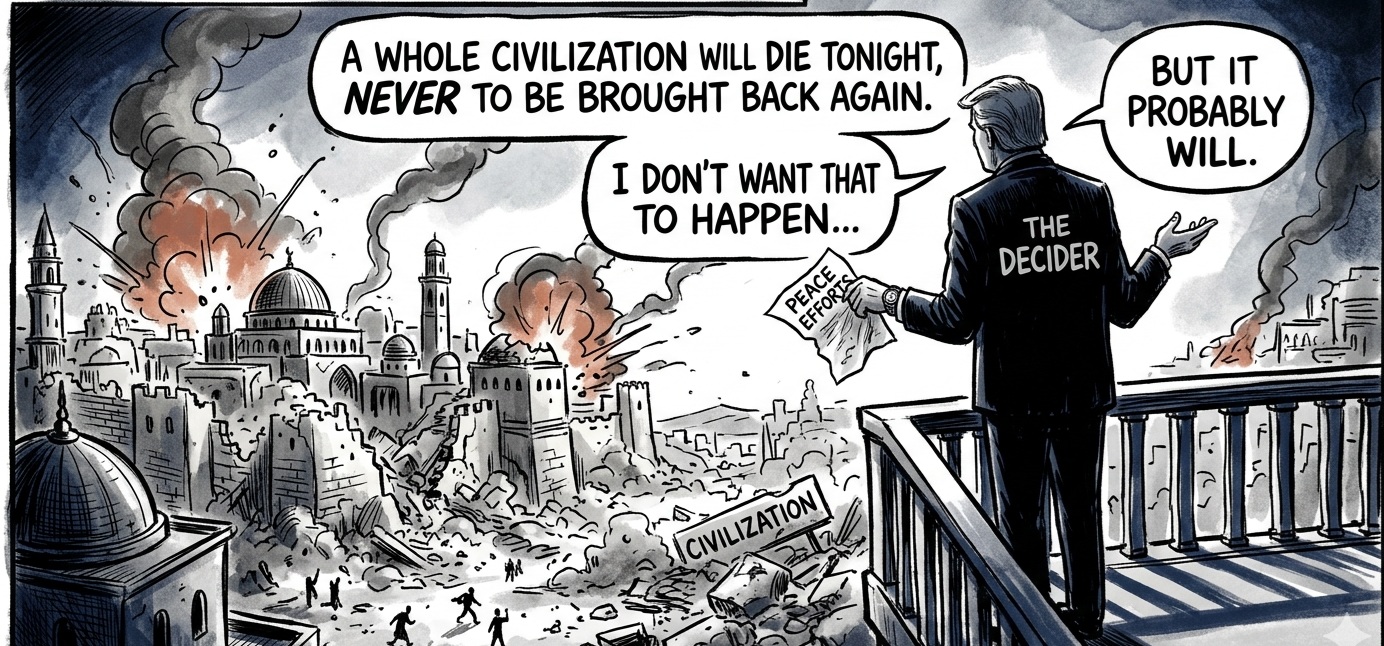
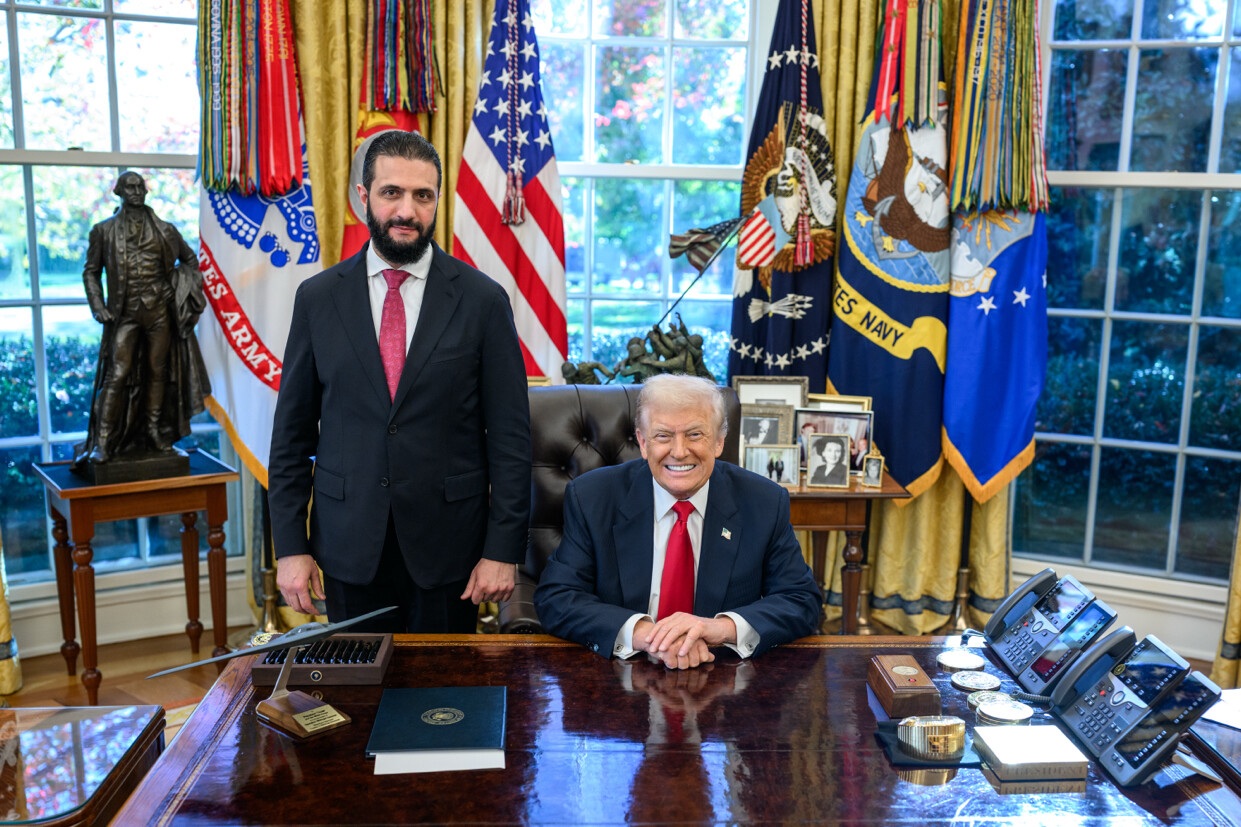
Trump’s U.S. Foreign Policy Revealed As of 2026, the United States under the second Trump administration has executed a foreign policy revolution. The events are stark, documented, and without modern precedent: the successful military abduction of Venezuelan President Nicolás Maduro, now imprisoned in a federal facility awaiting trial; the transformation of Syrian jihadist commander Abu Read more

Continue Reading

Why the Saudi–UAE Rift in Yemen Matters for the Gulf

What was once carefully managed behind closed doors has now spilled into the open. The escalating dispute between Saudi Arabia and the United Arab Emirates over Yemen marks one of the most serious ruptures within the Gulf Cooperation Council (GCC) since the 2017–2021 crisis with Qatar. This time, however, the stakes may be even higher: Read more

Continue Reading

The Transformative Potential of the Saudi–Pakistan Pact

The mutual defense pact signed on September 17, 2025, between Saudi Arabia and Pakistan is more than a symbolic gesture of friendship between two long-time partners. It marks a turning point in the security architecture of the Middle East and South Asia, signaling that old assumptions about dependence on external protectors, sectarian divisions, and regional alliances are Read more

Continue Reading

Iran’s Position on Uranium Enrichment — A Turning Point or a Stalemate in Negotiations with the United States?

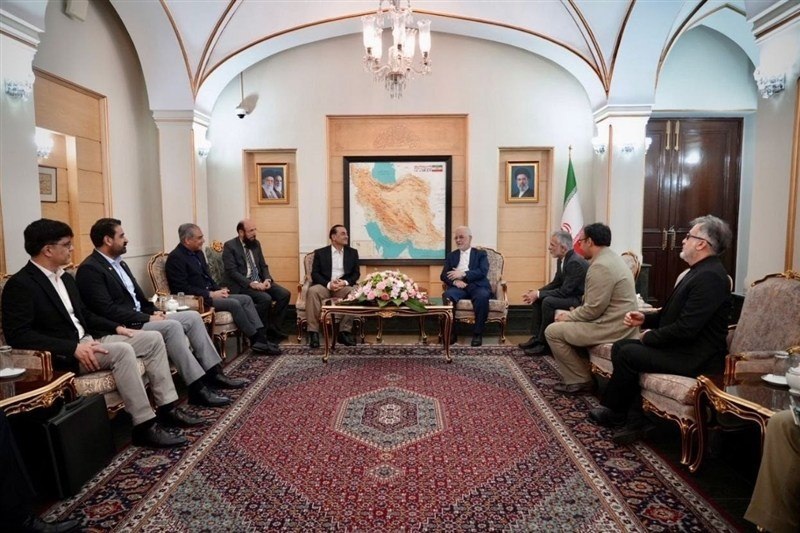
The recent remarks by Iran’s Supreme Leader, who described uranium enrichment as an “inviolable right,” have drawn a clear line. This position highlights the fundamental dilemma in the nuclear negotiations between Iran and the United States: either the U.S. acknowledges Iran’s sovereign right to enrich uranium for peaceful purposes — which could introduce a new Read more

Continue Reading

The Political Instrumentalization of “Terrorism” and Sanctions in Contemporary Foreign Policy

The recent developments surrounding former jihadist Ahmed al-Sharaa—formerly known as Abu Mohammed al-Jolani—and his transformation from a wanted terrorist leader into a sitting president welcomed by the President of the United States illustrate a deeply troubling fact in international relations: the arbitrary use of the “terrorism” label and economic sanctions as tools of political convenience Read more

Continue Reading

The Interconnectedness of Events in Syria, Turkey, and SWANA

What happens in SWANA will not Stay in SWANA by Ahmed Souaiaia Abstract: The ongoing crises in Syria and Turkey are deeply intertwined with broader regional dynamics, including the ongoing instability in the Southwest Asia and North Africa (SWANA) region. This article analyzes these events through the lens of the Systems Thinking Framework (STF), which Read more

Continue Reading

Syrian Crisis: The Risks of Fragmentation and the Lessons of History

The crisis in Syria has evolved into a multifaceted conflict with significant implications for the country’s territorial integrity. The ongoing violence, driven by internal power struggles and exacerbated by external interventions, raises concerns about the potential fragmentation of Syria along sectarian and ethnic fault lines. Unless regional players adopt a more strategic and long-term vision, Read more

Continue Reading