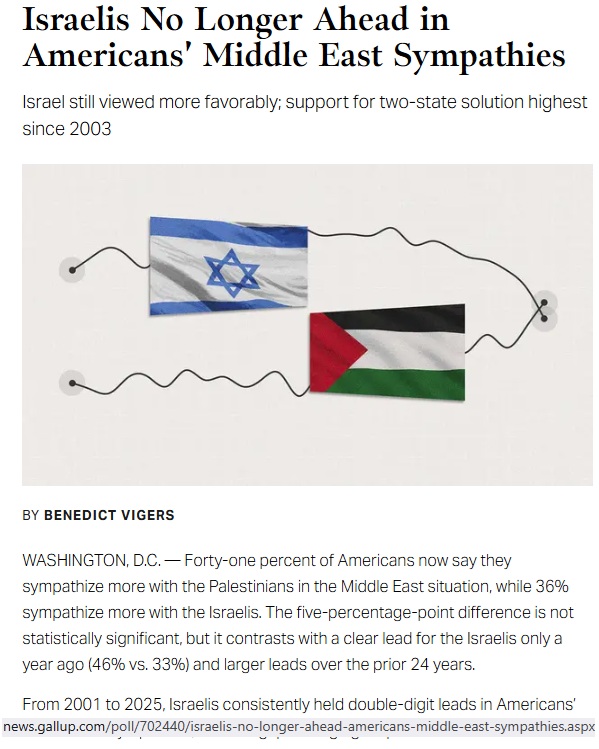
A Historic Shift: US voters sympathize more with Palestinians than Israelis for first time

In a notable departure from decades of consistent polling data, American public opinion on the Middle East conflict has reached a turning point. For the first time in more than twenty years, a greater share of U.S. adults express sympathy for the Palestinian people than for Israel, signaling a profound evolution in the nation’s political Read more

Continue Reading

Trump’s “Mission Accomplished” Moment

How the Iran Nuclear Pretext Reveals a Broader Agenda of Coercion In the annals of modern geopolitical theater, few phrases carry as much ironic baggage as “mission accomplished.” Eight months after the United States launched airstrikes on Iranian nuclear facilities under the codename “Operation Midnight Hammer,” President Donald Trump finds himself in a rhetorical loop: Read more

Continue Reading

The Enduring Scars of Expedient Bigotry

How Primary Politics Institutionalizes Prejudice Against American Muslims American democracy faces a profound paradox: the very mechanisms designed to ensure representative governance—the primary election system—have become accelerants of corrosive rhetoric that inflicts lasting damage upon the nation’s social fabric. In the pursuit of narrow electoral victories, political actors increasingly deploy narratives rooted in fear, misinformation, Read more

Continue Reading

Why the Saudi–UAE Rift in Yemen Matters for the Gulf

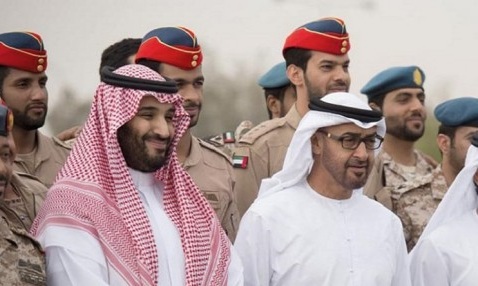
What was once carefully managed behind closed doors has now spilled into the open. The escalating dispute between Saudi Arabia and the United Arab Emirates over Yemen marks one of the most serious ruptures within the Gulf Cooperation Council (GCC) since the 2017–2021 crisis with Qatar. This time, however, the stakes may be even higher: Read more

Continue Reading

Sanctions, Capability Formation, and the Paradox of Economic Pressure

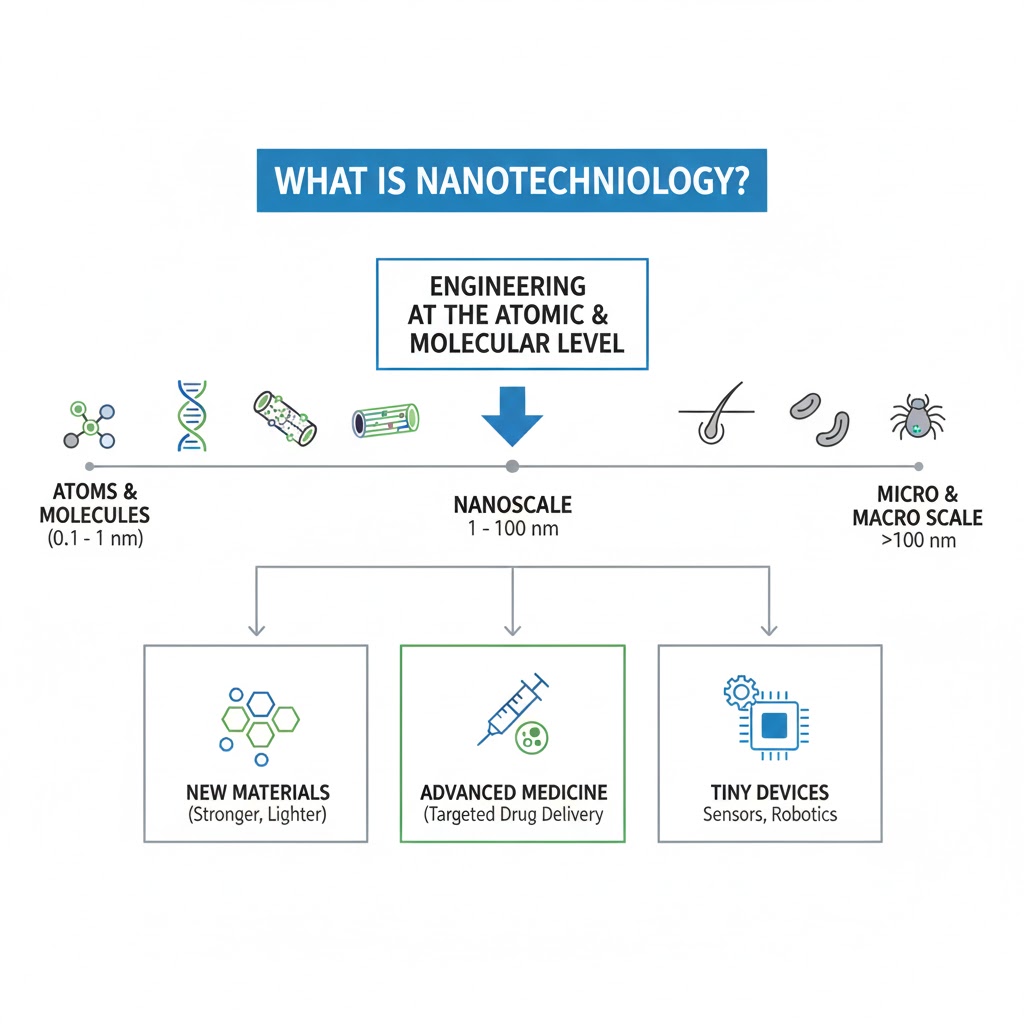
Abstract Nanotechnology has emerged as a foundational scientific domain with wide-ranging implications for medicine, materials science, energy systems, and industrial productivity. This research note examines how sustained, coordinated investment in scientific infrastructure, human capital, and research-to-production integration can enable a country to achieve global competitiveness in an advanced field despite structural constraints. Using Iran’s development Read more

Continue Reading

The Transformative Potential of the Saudi–Pakistan Pact

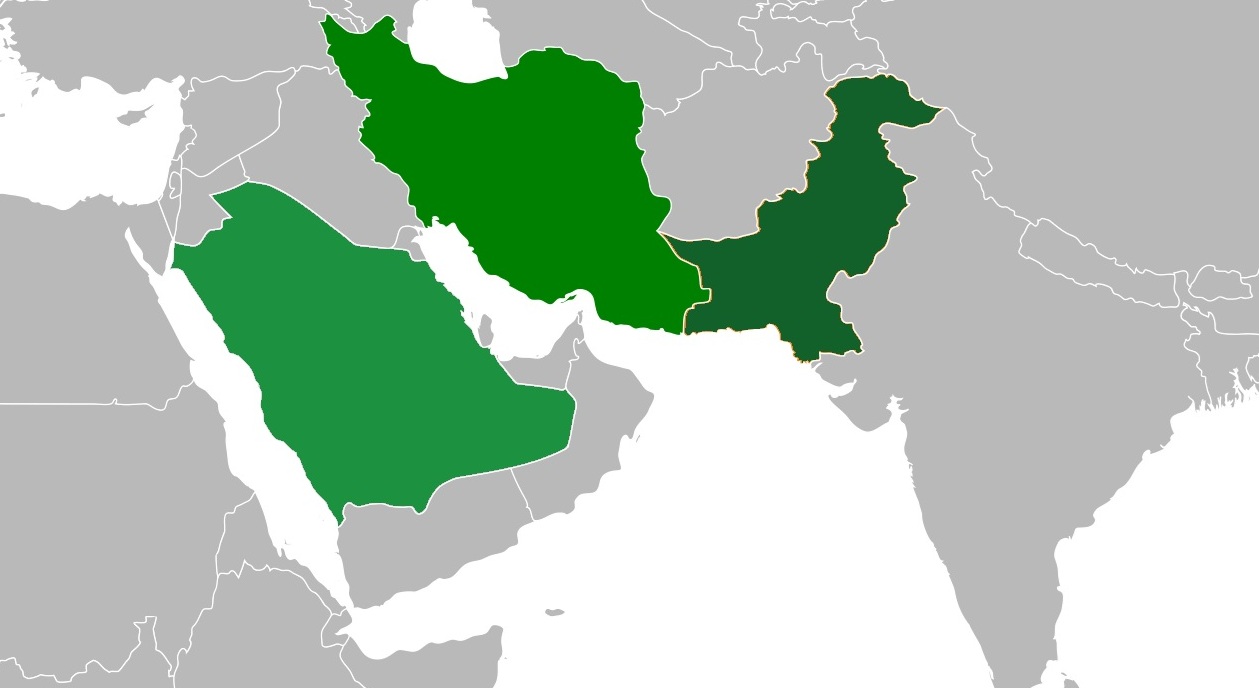
The mutual defense pact signed on September 17, 2025, between Saudi Arabia and Pakistan is more than a symbolic gesture of friendship between two long-time partners. It marks a turning point in the security architecture of the Middle East and South Asia, signaling that old assumptions about dependence on external protectors, sectarian divisions, and regional alliances are Read more

Continue Reading

Japan’s Journey in Discovering Islam

by Nulifar Zain At the time of writing this article on Japanese culture, the cherry blossom season is at its peak. The “sakura” season symbolizes new beginnings and encapsulates the Japanese fascination with philosophy, nature, and the ephemeral beauty of life. In many ways, Japan’s interaction with Islam follows a similar pattern—gradual discovery, adaptation, and Read more

Continue Reading

The Syrian Crisis After Assad: Political Divisions and Uncertain Futures

The fall of the Assad government marked a turning point in Syria’s long and turbulent history, but rather than ushering in a period of stability, it has plunged the country into a new phase of political strife. The transition has been marred by power struggles, ideological clashes, and deepening divisions among key factions. At the Read more

Continue Reading

The History of the Alawites in Syria

The Alawites, an ethno-religious group primarily residing in the coastal mountains of Syria, have a long and complex history marked by migration, persecution, and political transformations. Originating from Iraq, they eventually settled in the mountainous regions of Syria, where they faced economic hardship and social marginalization. Over the centuries, they endured massacres and conflicts while Read more

Continue Reading

The future of Syria in the light of similar events in SWANA

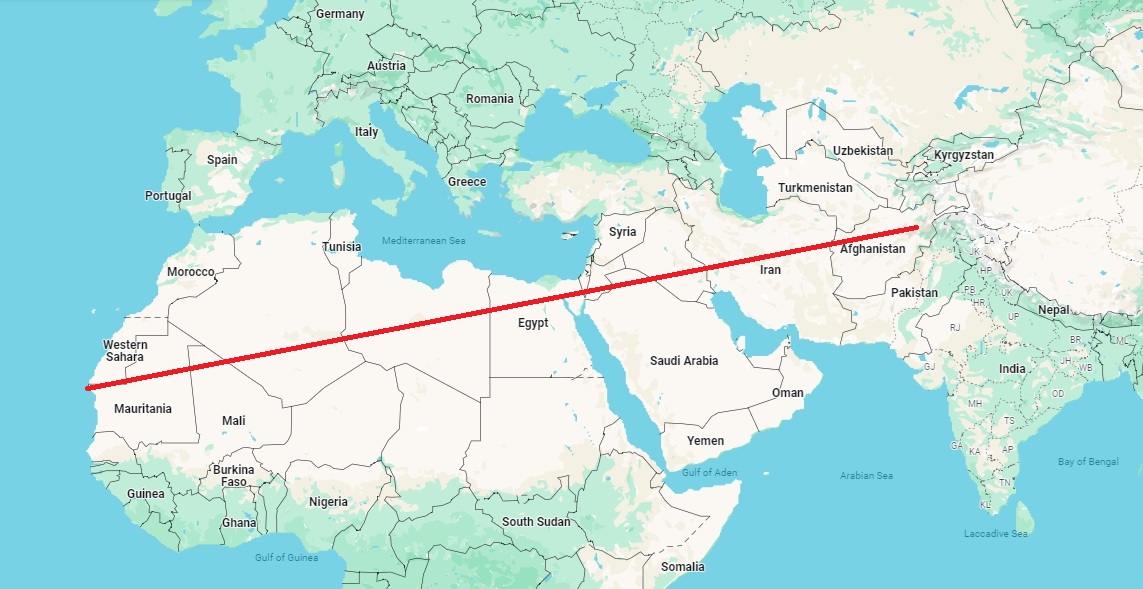
by Ahmed Souaiaia Since the start of the protest movement popularly known as the Arab Spring in 2011, all countries in Southwest Asia and North Africa (SWANA) have been impacted and the level of change in each of these countries depended on domestic, regional and global factors. However, there is one variable that established itself Read more

Continue Reading