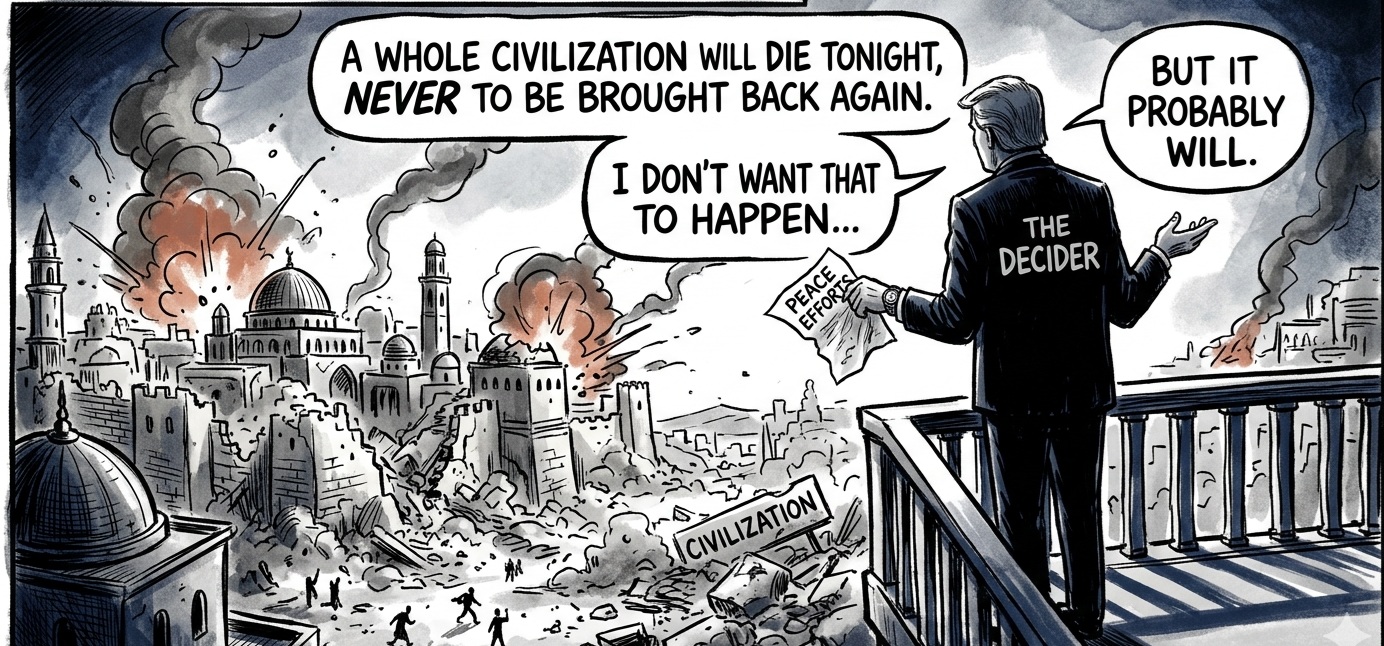
Vile it may be, factual nonetheless: A civilization died today

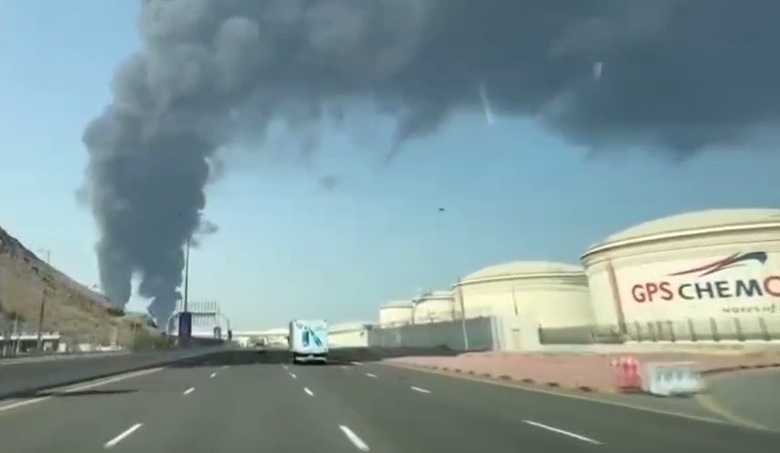
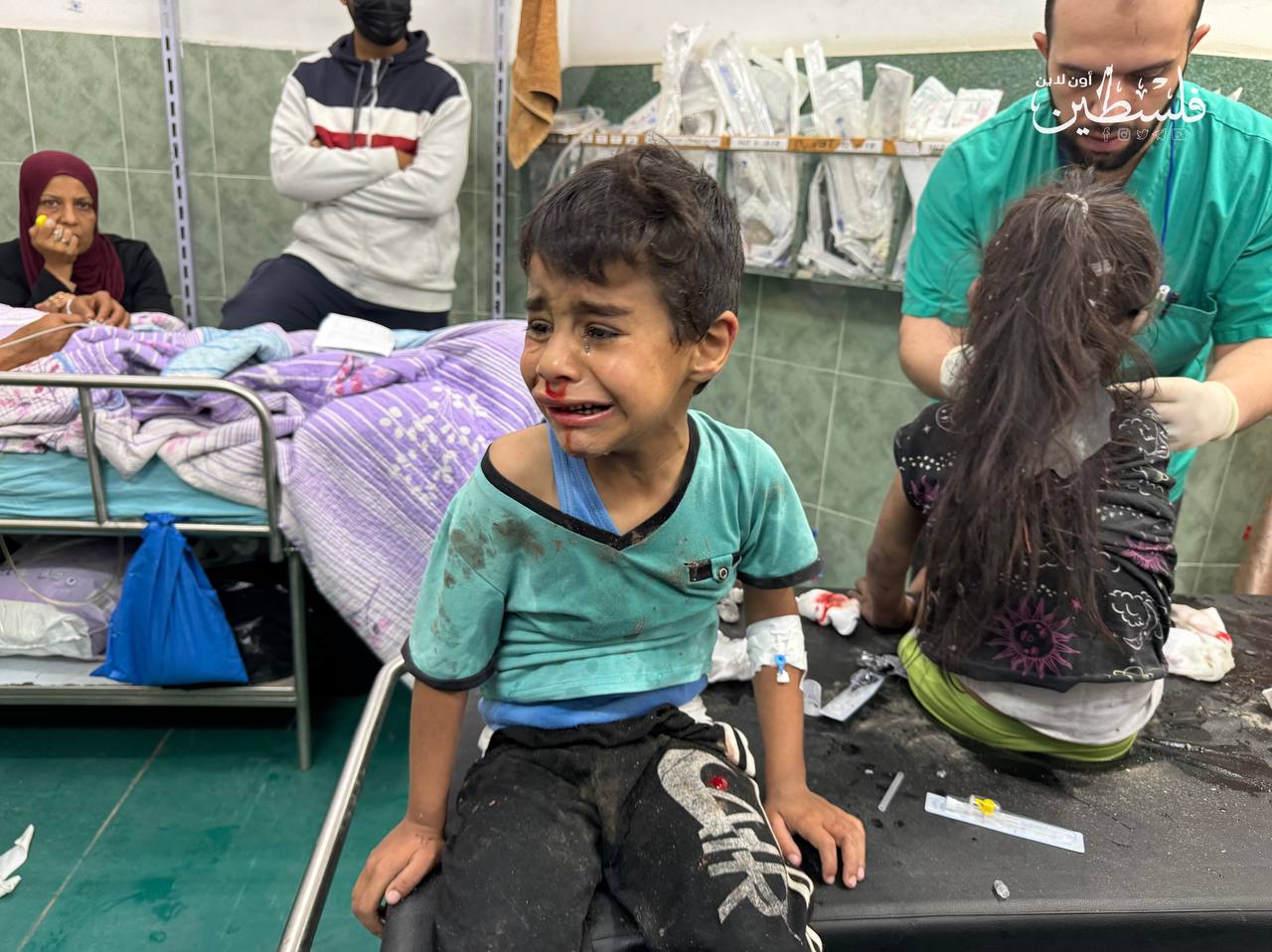
By Ahmed E. Souaiaia, PhD* “A whole civilization will die tonight, never to be brought back again. I don’t want that to happen, but it probably will.” These words, posted by US President Donald Trump on Truth Social, were more than a threat—which they were directed against Iran which he attacked without congressional authorization or Read more

Continue Reading

A Systems Thinking Analysis of the Hormuz Crisis and Structural Inflation

By Ahmed E. Souaiaia, PhD The prevailing narrative from the Trump administration—that the surge in energy prices following U.S. and Israeli military attack on Iran is merely a “temporary” anomaly—fails to account for the fundamental laws of complex systems. By viewing the conflict through a linear lens (Action → Reaction → Resolution), policymakers have overlooked Read more

Continue Reading

Why Military Superiority Cannot Secure US Victory in Iran

The Paradox of Power By Ahmed Souaiaia In the annals of modern conflict, a persistent fallacy plagues the strategic calculus of superpowers: the belief that kinetic dominance equates to political victory. As the United States and Israel engage in escalated hostilities against Iran, the Trump administration faces a stark reality that transcends the battlefield. While Read more

Continue Reading

The Interconnectedness of Events in Syria, Turkey, and SWANA

What happens in SWANA will not Stay in SWANA by Ahmed Souaiaia Abstract: The ongoing crises in Syria and Turkey are deeply intertwined with broader regional dynamics, including the ongoing instability in the Southwest Asia and North Africa (SWANA) region. This article analyzes these events through the lens of the Systems Thinking Framework (STF), which Read more

Continue Reading

Dying versus Killing: How the War in Ukraine is making research on media bias redundant

by Ahmed E. Souaiaia More than ten years ago, the BBC published a photograph, ostensibly supplied to them by activists, claiming that the photograph was depicting the Houla massacre, allegedly committed by the Syrian government. It turned out that the photo was depicting another massacre that took place in Iraq when the United States invaded Read more

Continue Reading