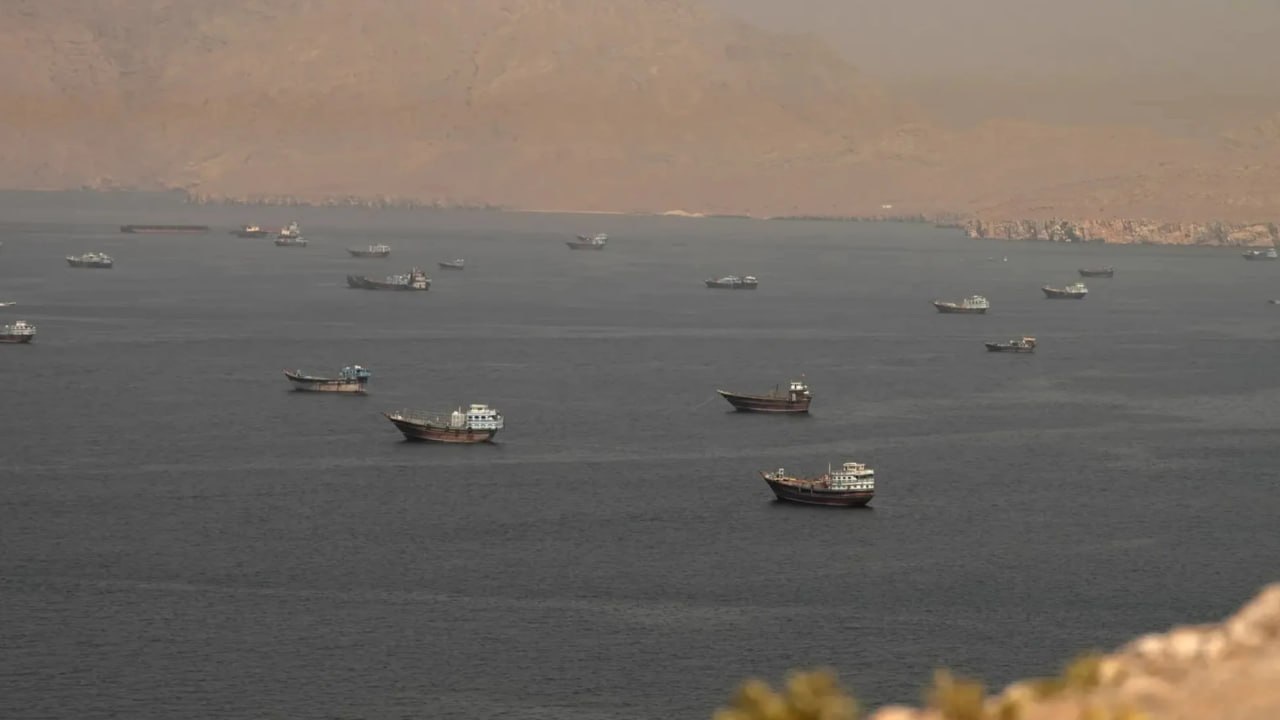
How and why the War on Iran Has Already Altered the International Order

The most consequential fact about the current war on Iran is not the eventual fate of any government in Tehran, nor the precise terms of any final communiqué, but the manner in which coercion is now being organized. Whatever the war’s outcome, the conflict has already normalized three departures from the post–Cold War settlement: the Read more

Continue Reading
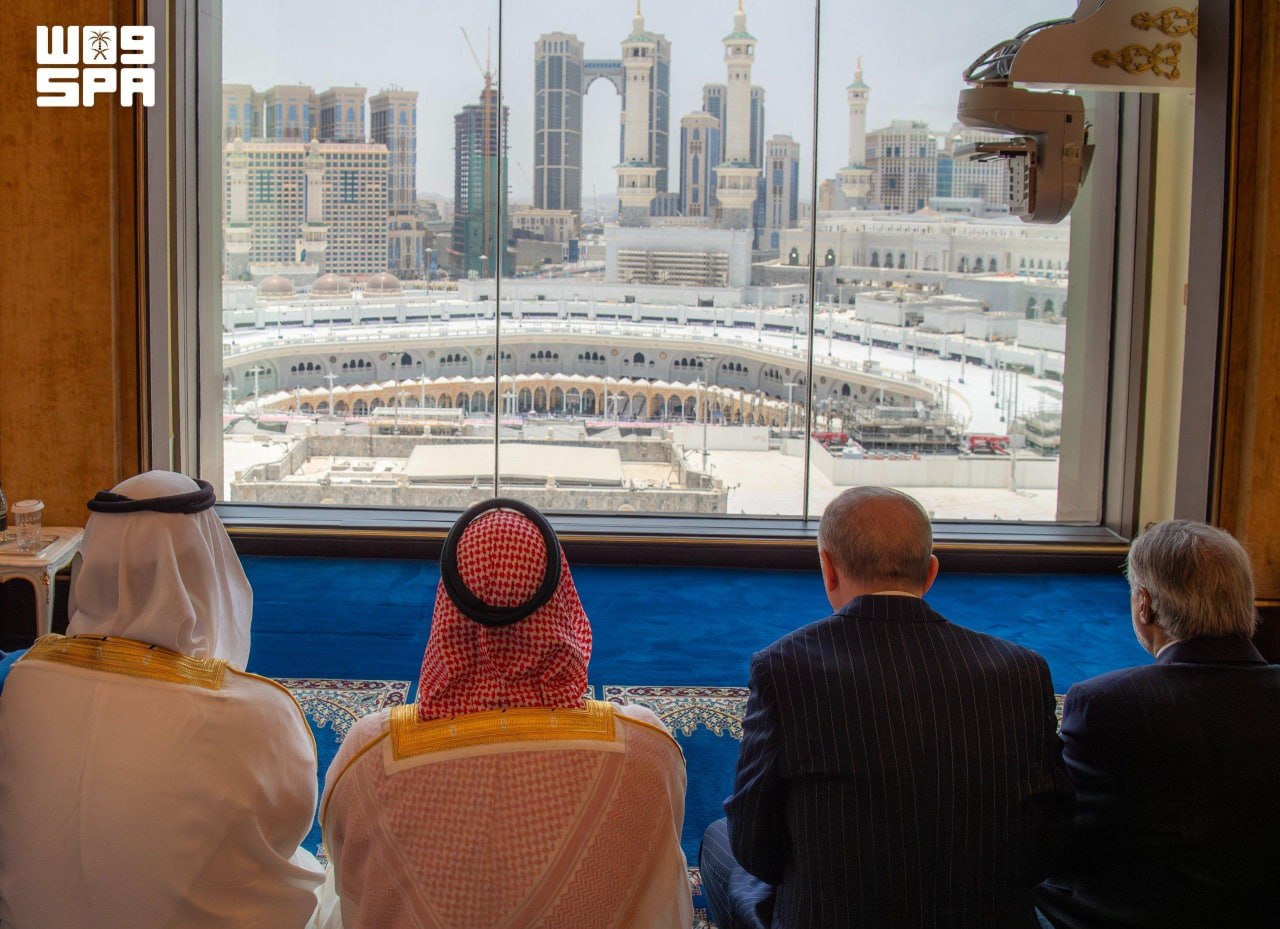
The Limits of the Saudi Arabia–Pakistan–Türkiye Defense Alignment

The Architecture of Insecurity by Ahmed E. Souaiaia, Ph.D. * Abstract The emerging defense alignment among Saudi Arabia, Pakistan, and Türkiye marks a significant development in the evolving security architecture of the Middle East and South Asia. This article examines the strategic logic, internal contradictions, and potential limitations of the Makkah Joint Defence Agreement (The Read more

Continue Reading

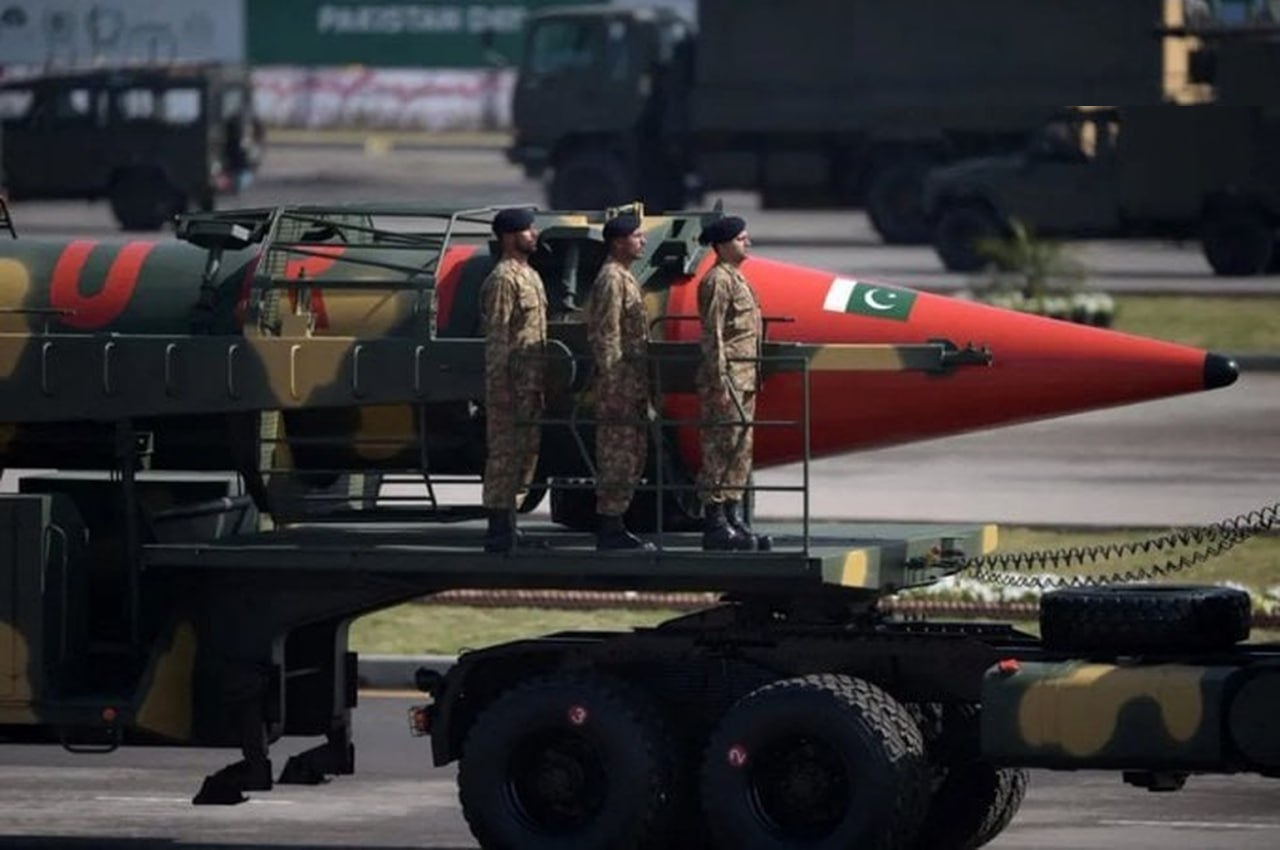
The Nuclear Asymmetry Dilemma

From the Korean Peninsula to the South Asian Flashpoint and Beyond As of mid-2026, the global nuclear landscape is defined by a perilous paradox. While international non-proliferation frameworks strive to contain the spread of atomic weapons, the strategic behavior of established nuclear powers has inadvertently validated the security anxieties of non-nuclear states, triggering a cascading Read more

Continue Reading

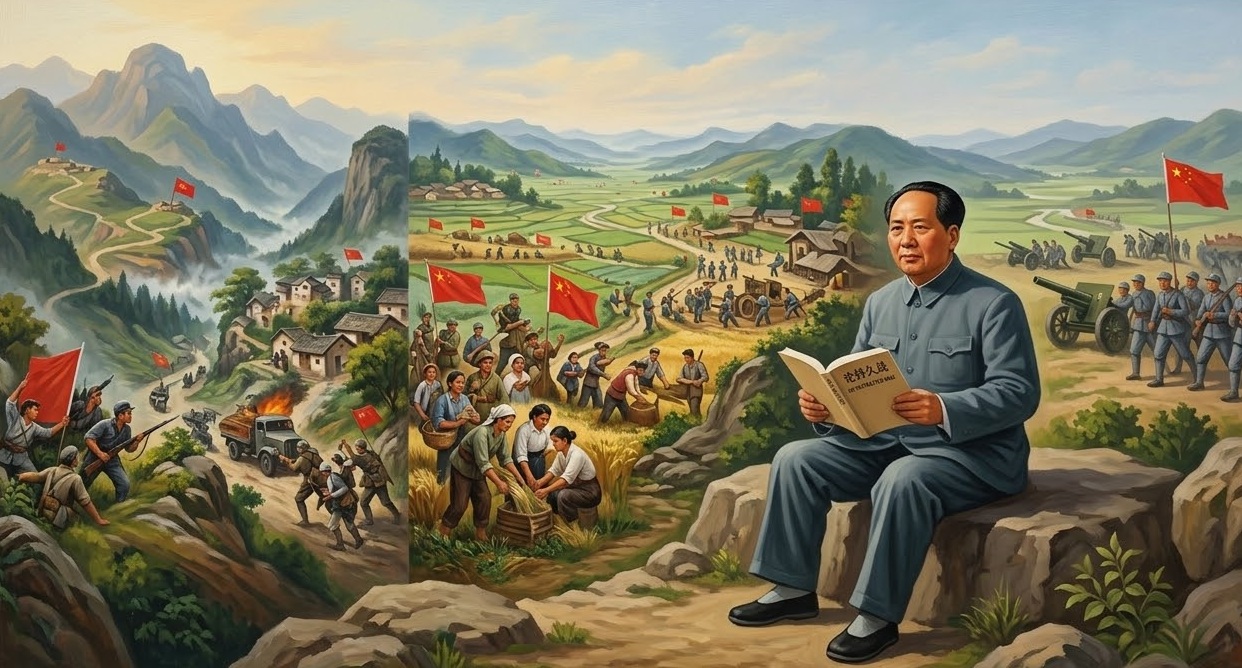
The Convergence of Maoist Protracted War Theory and Iranian Mosaic Defense Doctrine

Asymmetric Endurance Abstract In the contemporary landscape of geopolitical conflict, the disparity between conventional military power and asymmetric resistance has necessitated the evolution of strategic doctrines that prioritize endurance over immediate victory. This article examines the Iranian strategic framework known as “Mosaic Defense,” analyzing its structural and theoretical alignment with the classical principles of protracted Read more

Continue Reading

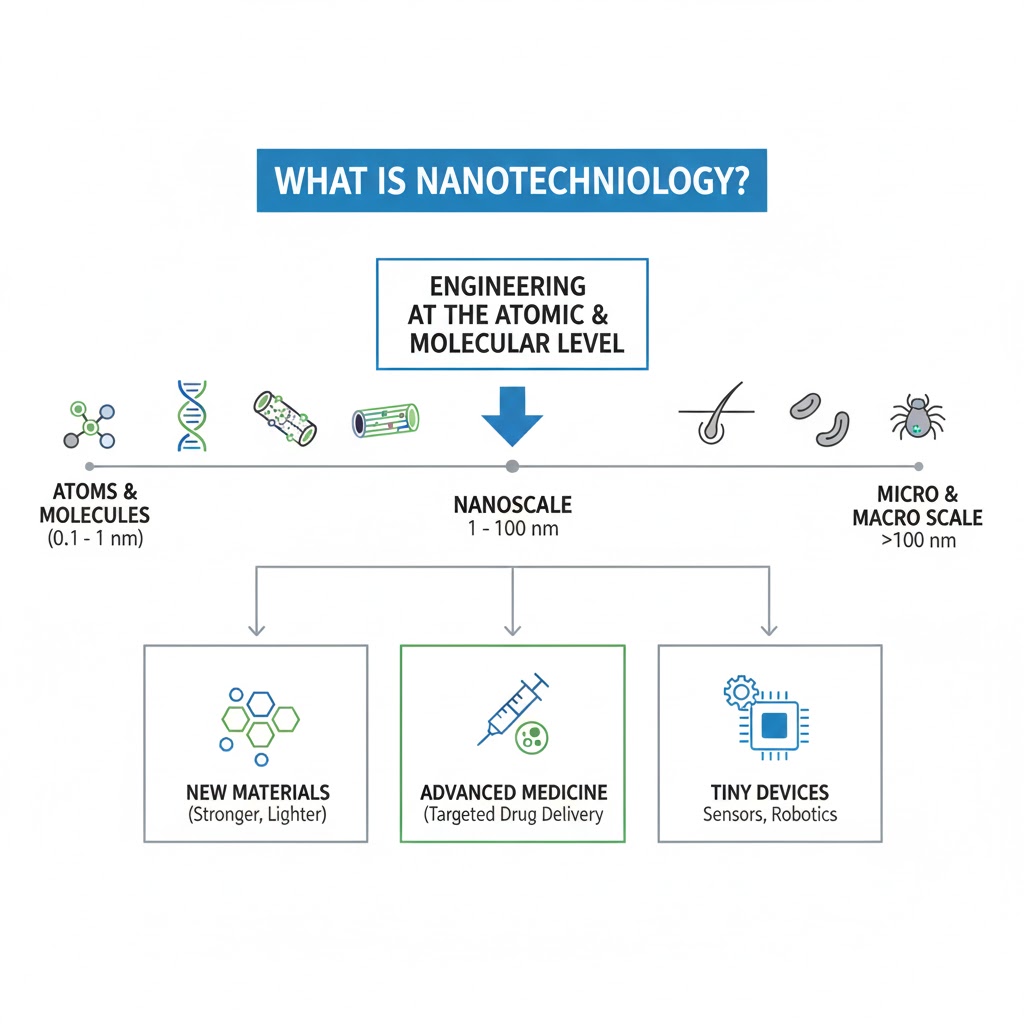
Sanctions, Capability Formation, and the Paradox of Economic Pressure

Abstract Nanotechnology has emerged as a foundational scientific domain with wide-ranging implications for medicine, materials science, energy systems, and industrial productivity. This research note examines how sustained, coordinated investment in scientific infrastructure, human capital, and research-to-production integration can enable a country to achieve global competitiveness in an advanced field despite structural constraints. Using Iran’s development Read more

Continue Reading

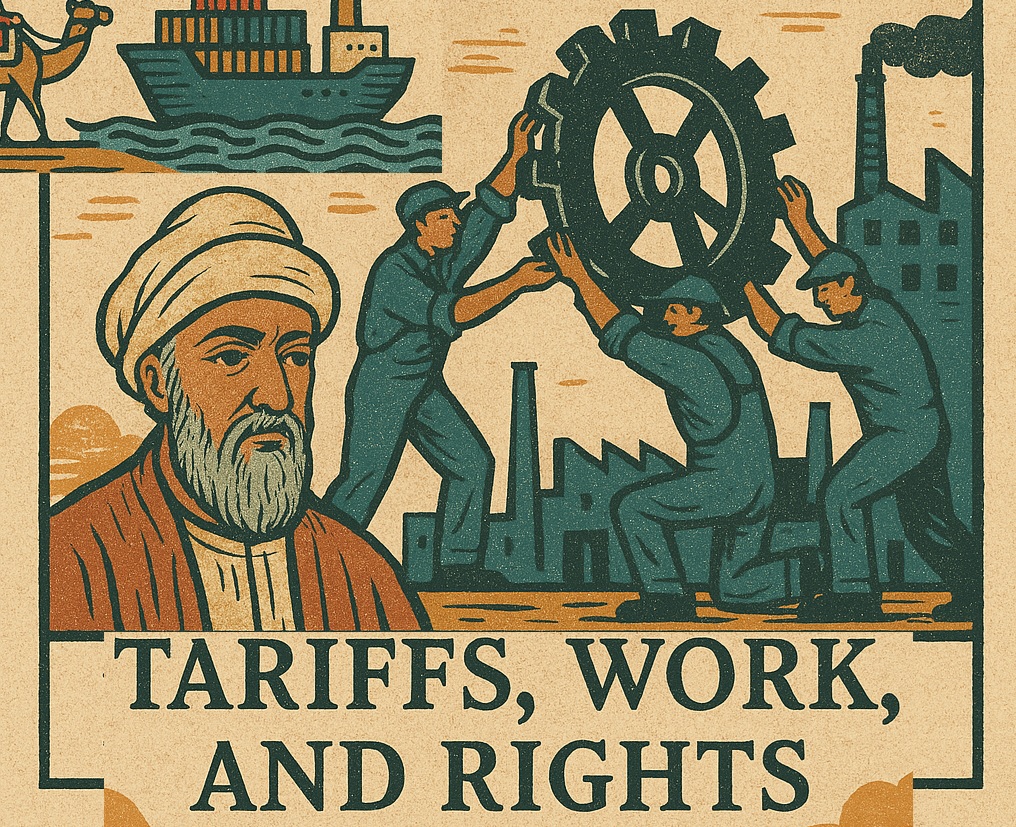
Tariffs, Work, and Rights

Abstract: This article reexamines economic justice through the lens of Islamic civilization, contrasting its moral and labor-centered foundations with the capital-driven structures of modern Western economies. Prompted by a significant current event—newly announced sweeping tariffs imposed by the U.S. administration on all imported goods, some at historically high rates—this analysis considers how tariff policy is Read more

Continue Reading

Japan’s Journey in Discovering Islam

by Nulifar Zain At the time of writing this article on Japanese culture, the cherry blossom season is at its peak. The “sakura” season symbolizes new beginnings and encapsulates the Japanese fascination with philosophy, nature, and the ephemeral beauty of life. In many ways, Japan’s interaction with Islam follows a similar pattern—gradual discovery, adaptation, and Read more

Continue Reading

Can the Rise of Women Leaders in Africa Fix Decades of Corruption and a Heavy legacy of Colonialism?

by Lamia Ahmed Throughout the ages, African women have played a pivotal role in the history of their countries, and have contributed effectively to shaping the culture and development of society. There have always been pioneering women who have changed the course of history. This is the warrior queen Amina, Queen of Zazzau (Northern Nigeria), Read more

Continue Reading