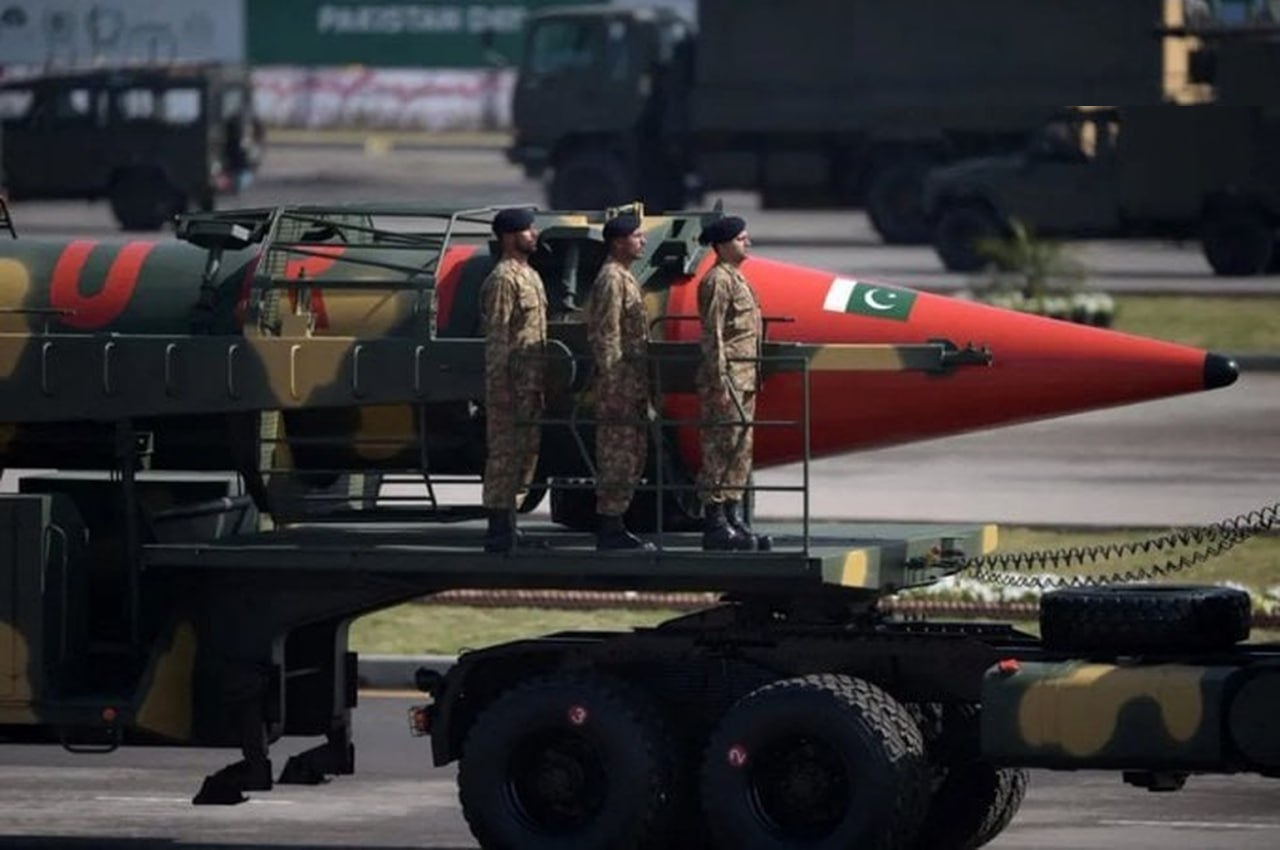
The Nuclear Asymmetry Dilemma

From the Korean Peninsula to the South Asian Flashpoint and Beyond As of mid-2026, the global nuclear landscape is defined by a perilous paradox. While international non-proliferation frameworks strive to contain the spread of atomic weapons, the strategic behavior of established nuclear powers has inadvertently validated the security anxieties of non-nuclear states, triggering a cascading Read more

Continue Reading

Behind the raft of OPEC+ production decisions riling the collective west lies a tight Russian-Saudi strategy and enhanced Russian-Iranian energy cooperation

by MK Bhadrakumar * A curious thing happened in Vienna on Sunday just as the 35th Ministerial Meeting of OPEC+ was about to start at its headquarters. Three princely western news organizations – Bloomberg, Reuters, and the Wall Street Journal – were barred from entering the OPEC premises. When asked about it, pat came the Read more

Continue Reading

The Limits and the Potential of the Shanghai Cooperation Organization

A meeting among leaders of the Shanghai Cooperation Organization (SCO) member states, during any other year in the past, would not make the news. This year’s meeting, however, should matters. Yet, it was hardly covered in Western media. There are important reasons for why the world should pay attention to this 21-year-old intergovernmental organization (IGO). Read more

Continue Reading

To compete globally, BRICS nations need reputation, not imitation

by Ahmed E. Souaiaia*  BRICS nations The economic, political, and social rise of the Western block of nations was founded on the single most enduring currency: reputation. Reputation, the source of credibility and trust, is the real asset that allows the U.S. to project its stature around the world. BRICS nations cannot rise to prominence Read more

Continue Reading

Delimiting a New World Order: Religion, Globalism, and the Syrian Crisis

Sovereignty, Legitimacy and the Responsibility to Protect:  Who is responsible and who is legitimate in Syria? by Ahmed E. Souaiaia* Syria and the New Middle East Western leaders’ conflicting statements underscore the unease about change in the Arab world. Unless one believes that diplomats speak unscripted, an earlier statementby U.S. secretary of State, John Kerry Read more

Continue Reading