The Convergence of Maoist Protracted War Theory and Iranian Mosaic Defense Doctrine

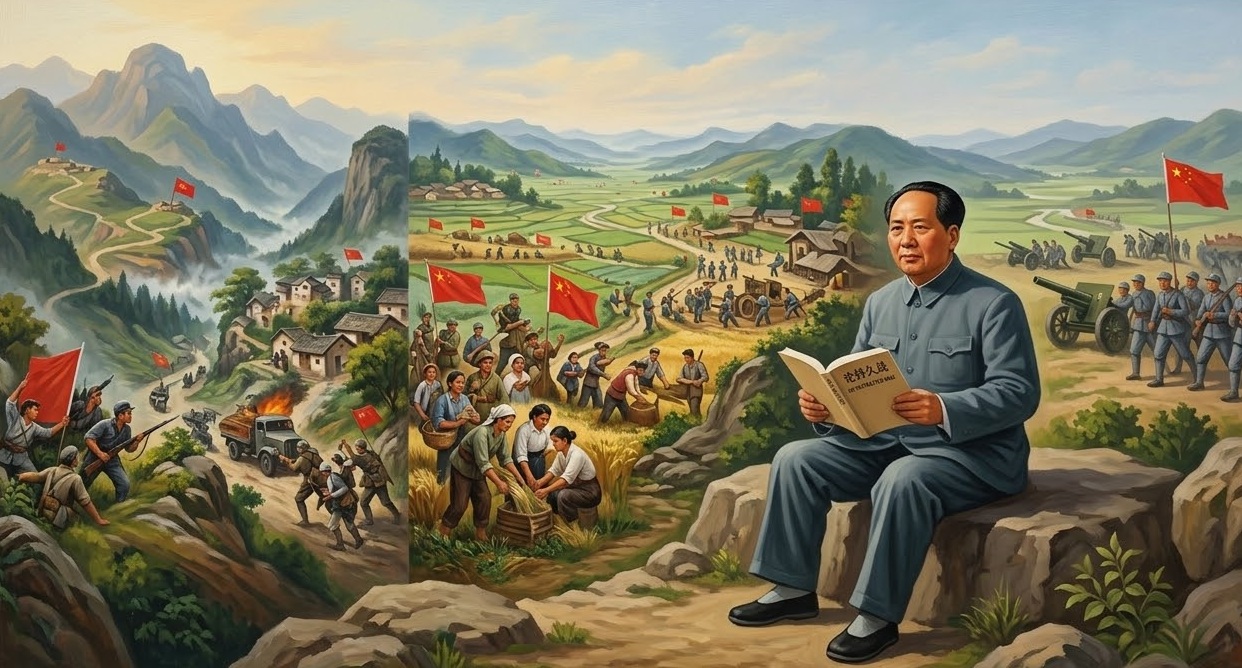
Asymmetric Endurance Abstract In the contemporary landscape of geopolitical conflict, the disparity between conventional military power and asymmetric resistance has necessitated the evolution of strategic doctrines that prioritize endurance over immediate victory. This article examines the Iranian strategic framework known as “Mosaic Defense,” analyzing its structural and theoretical alignment with the classical principles of protracted Read more

Continue Reading
Why Military Superiority Cannot Secure US Victory in Iran

The Paradox of Power By Ahmed Souaiaia In the annals of modern conflict, a persistent fallacy plagues the strategic calculus of superpowers: the belief that kinetic dominance equates to political victory. As the United States and Israel engage in escalated hostilities against Iran, the Trump administration faces a stark reality that transcends the battlefield. While Read more

Continue Reading

A Historic Shift: US voters sympathize more with Palestinians than Israelis for first time

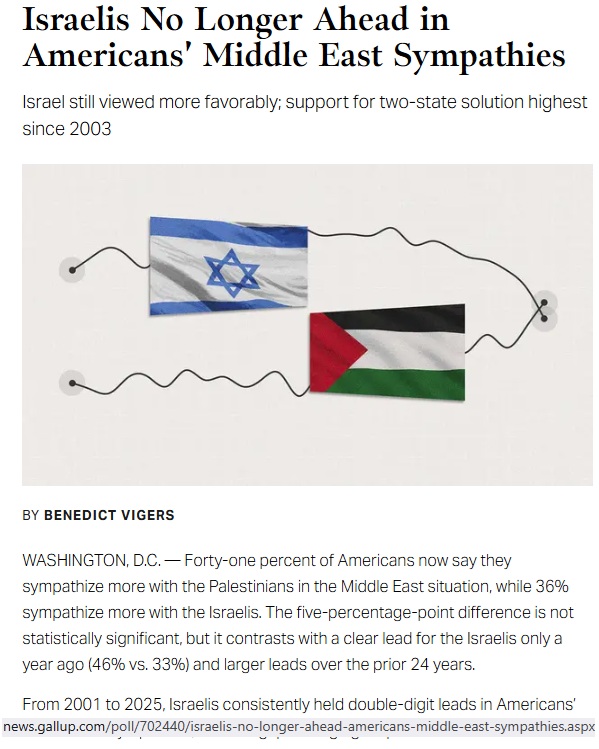
In a notable departure from decades of consistent polling data, American public opinion on the Middle East conflict has reached a turning point. For the first time in more than twenty years, a greater share of U.S. adults express sympathy for the Palestinian people than for Israel, signaling a profound evolution in the nation’s political Read more

Continue Reading

Trump’s “Mission Accomplished” Moment

How the Iran Nuclear Pretext Reveals a Broader Agenda of Coercion In the annals of modern geopolitical theater, few phrases carry as much ironic baggage as “mission accomplished.” Eight months after the United States launched airstrikes on Iranian nuclear facilities under the codename “Operation Midnight Hammer,” President Donald Trump finds himself in a rhetorical loop: Read more

Continue Reading

Sanctions, Capability Formation, and the Paradox of Economic Pressure

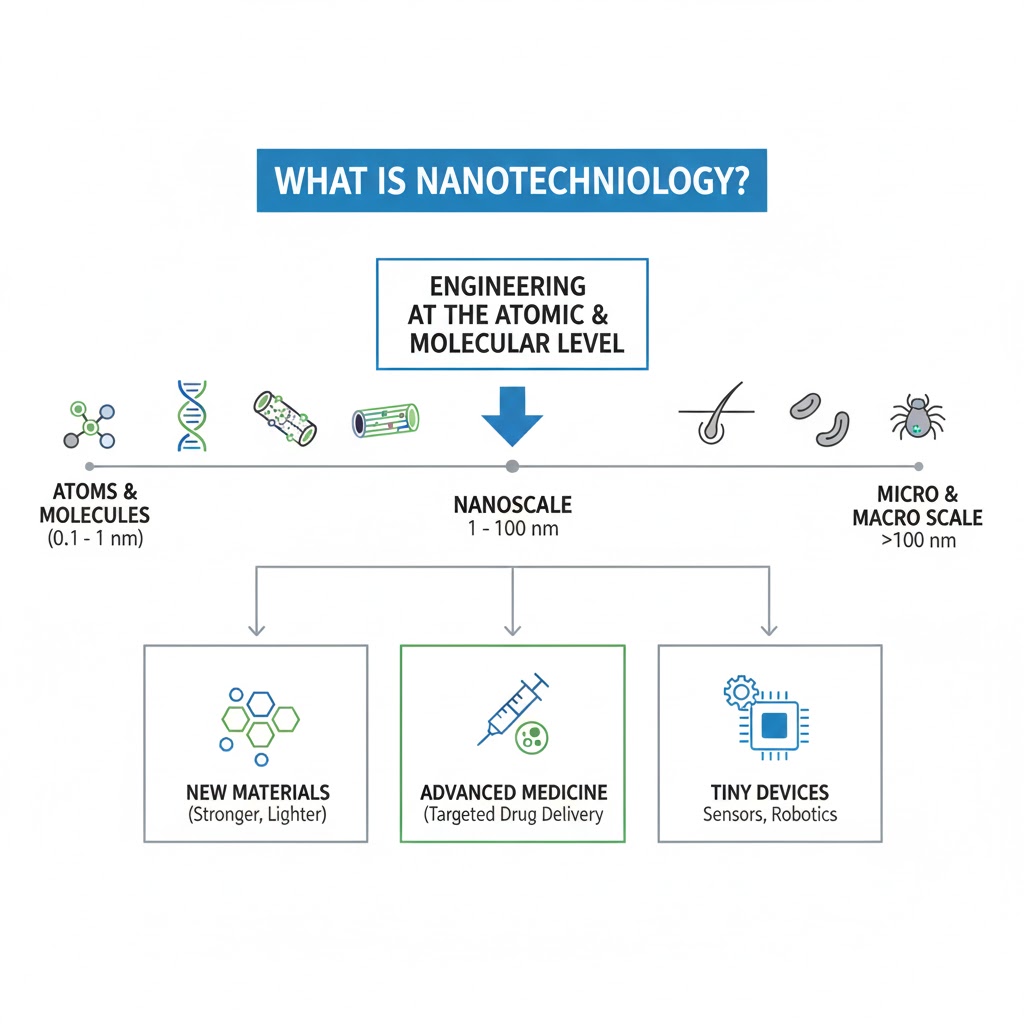
Abstract Nanotechnology has emerged as a foundational scientific domain with wide-ranging implications for medicine, materials science, energy systems, and industrial productivity. This research note examines how sustained, coordinated investment in scientific infrastructure, human capital, and research-to-production integration can enable a country to achieve global competitiveness in an advanced field despite structural constraints. Using Iran’s development Read more

Continue Reading

Happiness and Health Across Time–From Ibn Sina and Ibn Khaldun to Contemporary Scientific Findings

Abstract The pursuit of happiness and longevity has occupied human thought for centuries, from the philosophical and medical writings of classical Islamic scholars to modern scientific research. Ibn Sina (Avicenna) emphasized the harmony of body and soul in sustaining health, while Ibn Khaldun highlighted the role of social cohesion in individual and communal well-being. Recent Read more

Continue Reading

The US Dollar: From Economic Powerhouse to Political Weapon

Abstract This article explores the historical rise and multifaceted dominance of the US dollar, tracing its evolution from a national currency to a global economic and political instrument. Backed by America’s economic might, military power, institutional stability, and technological leadership, the dollar has long stood at the center of the international financial system. It examines Read more

Continue Reading

Iran’s Position on Uranium Enrichment — A Turning Point or a Stalemate in Negotiations with the United States?

The recent remarks by Iran’s Supreme Leader, who described uranium enrichment as an “inviolable right,” have drawn a clear line. This position highlights the fundamental dilemma in the nuclear negotiations between Iran and the United States: either the U.S. acknowledges Iran’s sovereign right to enrich uranium for peaceful purposes — which could introduce a new Read more

Continue Reading

The Political Instrumentalization of “Terrorism” and Sanctions in Contemporary Foreign Policy

The recent developments surrounding former jihadist Ahmed al-Sharaa—formerly known as Abu Mohammed al-Jolani—and his transformation from a wanted terrorist leader into a sitting president welcomed by the President of the United States illustrate a deeply troubling fact in international relations: the arbitrary use of the “terrorism” label and economic sanctions as tools of political convenience Read more

Continue Reading

Tariffs, Work, and Rights

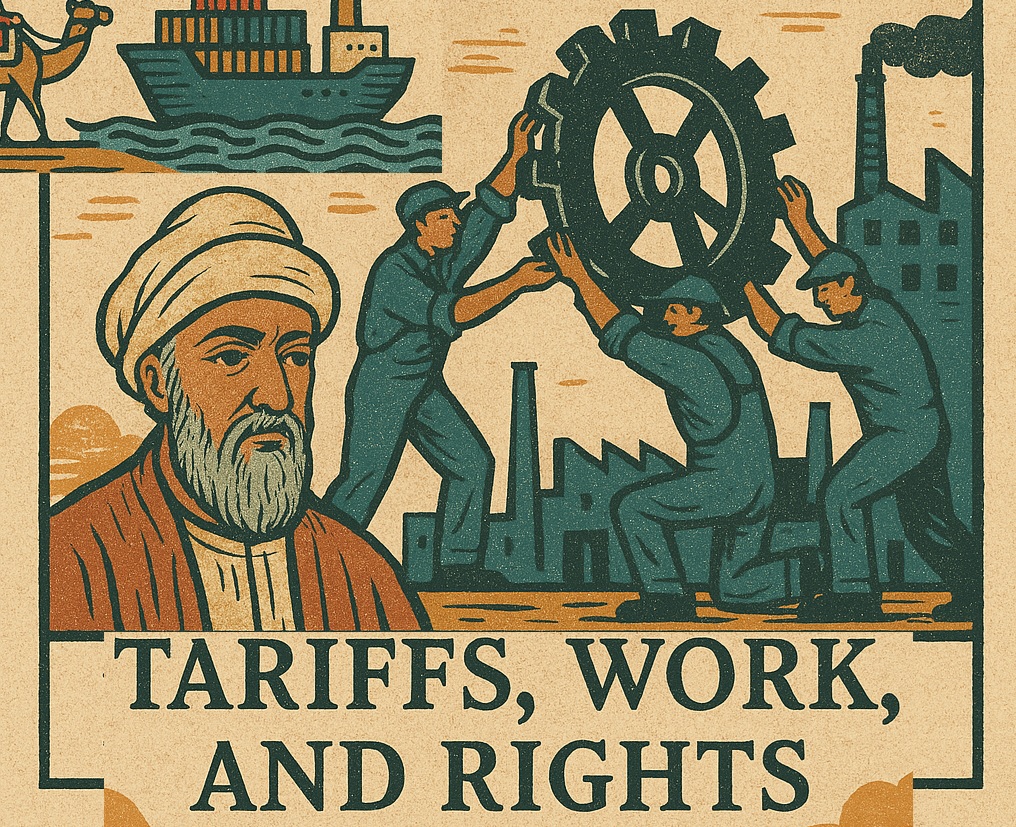
Abstract: This article reexamines economic justice through the lens of Islamic civilization, contrasting its moral and labor-centered foundations with the capital-driven structures of modern Western economies. Prompted by a significant current event—newly announced sweeping tariffs imposed by the U.S. administration on all imported goods, some at historically high rates—this analysis considers how tariff policy is Read more

Continue Reading