Why Military Superiority Cannot Secure US Victory in Iran

The Paradox of Power By Ahmed Souaiaia In the annals of modern conflict, a persistent fallacy plagues the strategic calculus of superpowers: the belief that kinetic dominance equates to political victory. As the United States and Israel engage in escalated hostilities against Iran, the Trump administration faces a stark reality that transcends the battlefield. While Read more

Continue Reading
Trump’s “Mission Accomplished” Moment

How the Iran Nuclear Pretext Reveals a Broader Agenda of Coercion In the annals of modern geopolitical theater, few phrases carry as much ironic baggage as “mission accomplished.” Eight months after the United States launched airstrikes on Iranian nuclear facilities under the codename “Operation Midnight Hammer,” President Donald Trump finds himself in a rhetorical loop: Read more

Continue Reading

The Enduring Scars of Expedient Bigotry

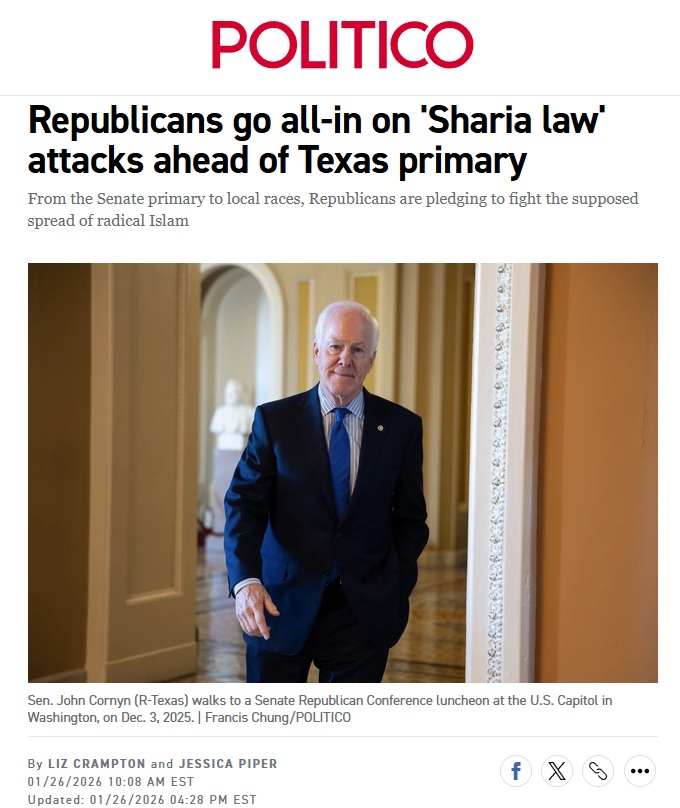
How Primary Politics Institutionalizes Prejudice Against American Muslims American democracy faces a profound paradox: the very mechanisms designed to ensure representative governance—the primary election system—have become accelerants of corrosive rhetoric that inflicts lasting damage upon the nation’s social fabric. In the pursuit of narrow electoral victories, political actors increasingly deploy narratives rooted in fear, misinformation, Read more

Continue Reading

The Doctrine of Unconstrained Will

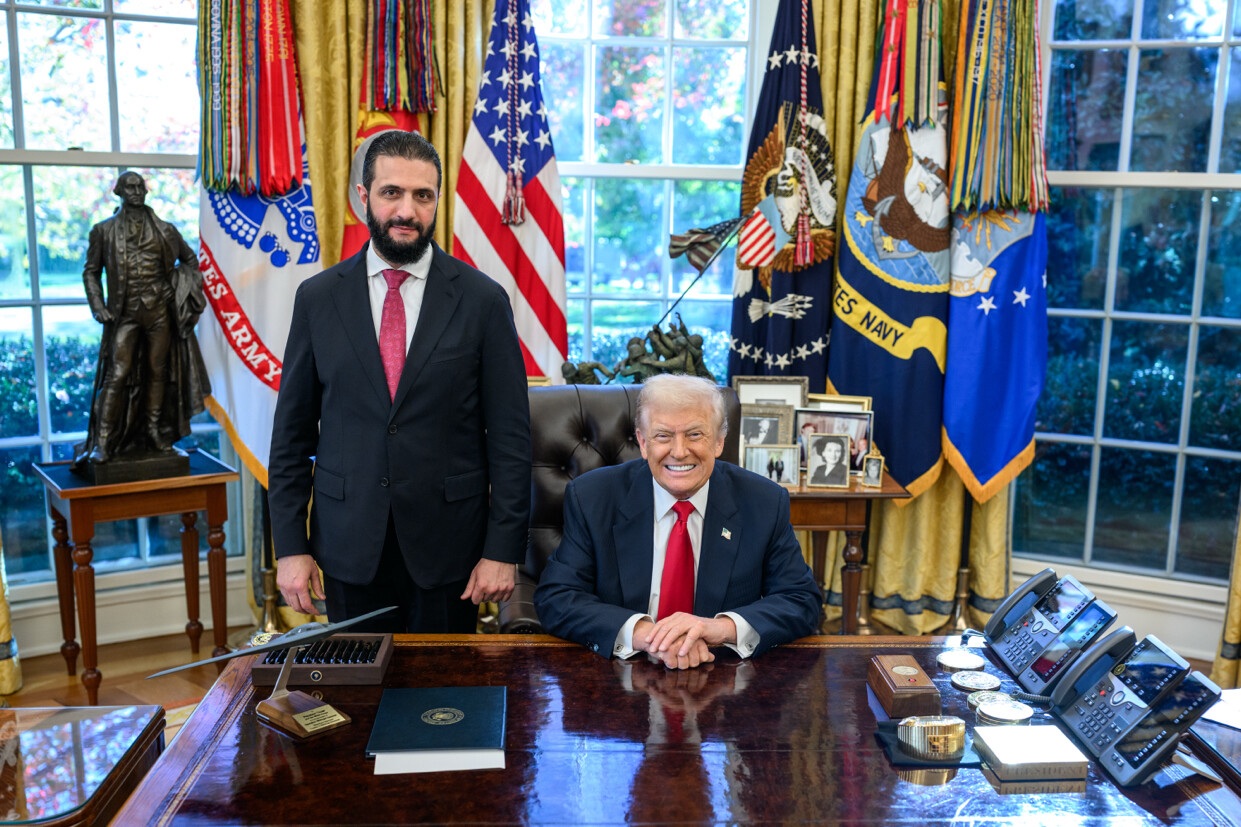
Trump’s U.S. Foreign Policy Revealed As of 2026, the United States under the second Trump administration has executed a foreign policy revolution. The events are stark, documented, and without modern precedent: the successful military abduction of Venezuelan President Nicolás Maduro, now imprisoned in a federal facility awaiting trial; the transformation of Syrian jihadist commander Abu Read more

Continue Reading

Why the Saudi–UAE Rift in Yemen Matters for the Gulf

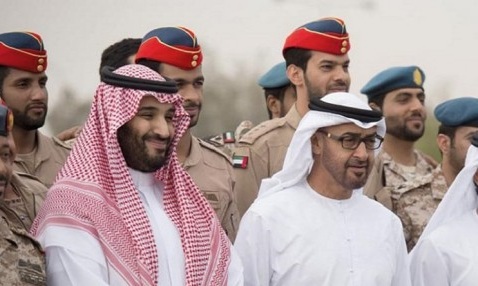
What was once carefully managed behind closed doors has now spilled into the open. The escalating dispute between Saudi Arabia and the United Arab Emirates over Yemen marks one of the most serious ruptures within the Gulf Cooperation Council (GCC) since the 2017–2021 crisis with Qatar. This time, however, the stakes may be even higher: Read more

Continue Reading

The Transformative Potential of the Saudi–Pakistan Pact

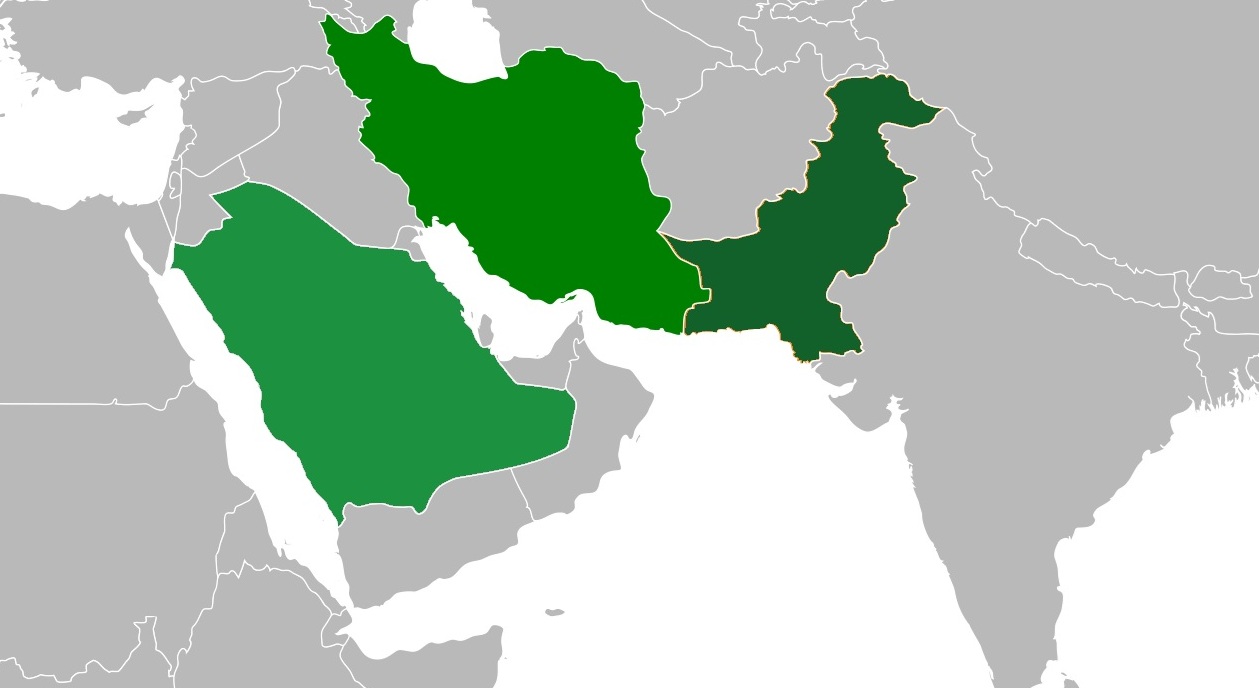
The mutual defense pact signed on September 17, 2025, between Saudi Arabia and Pakistan is more than a symbolic gesture of friendship between two long-time partners. It marks a turning point in the security architecture of the Middle East and South Asia, signaling that old assumptions about dependence on external protectors, sectarian divisions, and regional alliances are Read more

Continue Reading

Iran’s Position on Uranium Enrichment — A Turning Point or a Stalemate in Negotiations with the United States?

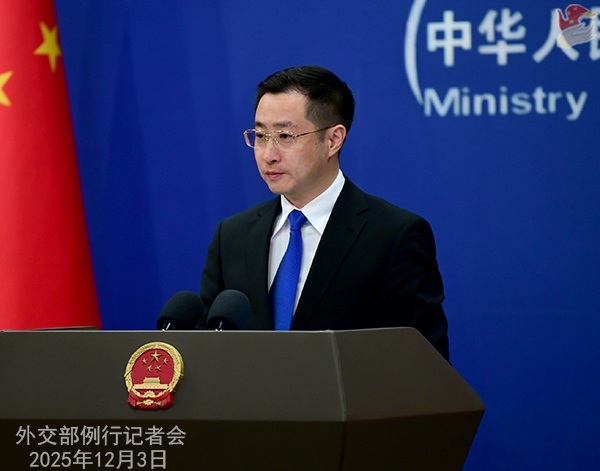
The recent remarks by Iran’s Supreme Leader, who described uranium enrichment as an “inviolable right,” have drawn a clear line. This position highlights the fundamental dilemma in the nuclear negotiations between Iran and the United States: either the U.S. acknowledges Iran’s sovereign right to enrich uranium for peaceful purposes — which could introduce a new Read more

Continue Reading

The Political Instrumentalization of “Terrorism” and Sanctions in Contemporary Foreign Policy

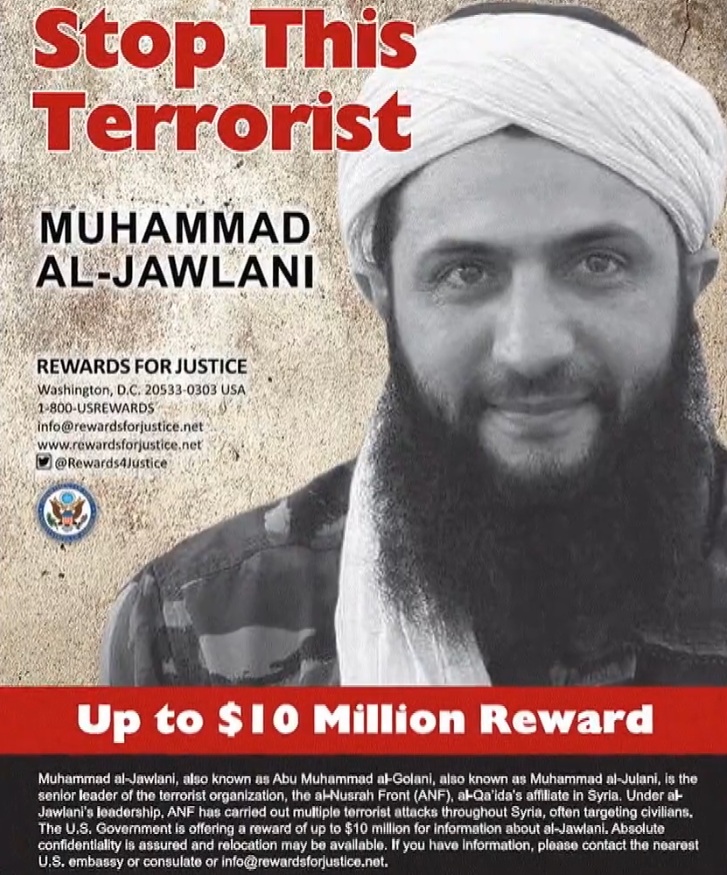
The recent developments surrounding former jihadist Ahmed al-Sharaa—formerly known as Abu Mohammed al-Jolani—and his transformation from a wanted terrorist leader into a sitting president welcomed by the President of the United States illustrate a deeply troubling fact in international relations: the arbitrary use of the “terrorism” label and economic sanctions as tools of political convenience Read more

Continue Reading