Essays

Why the Saudi–UAE Rift in Yemen Matters for the Gulf

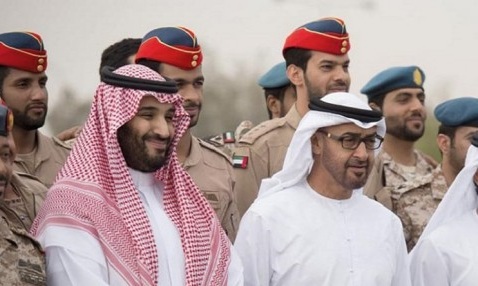
What was once carefully managed behind closed doors has now spilled into the open. The escalating dispute between Saudi Arabia and the United Arab Emirates over Yemen marks one of the most serious ruptures within the Gulf Cooperation Council (GCC) since the 2017–2021 crisis with Qatar. This time, however, the stakes may be even higher: Read more

Continue Reading

Sanctions, Capability Formation, and the Paradox of Economic Pressure

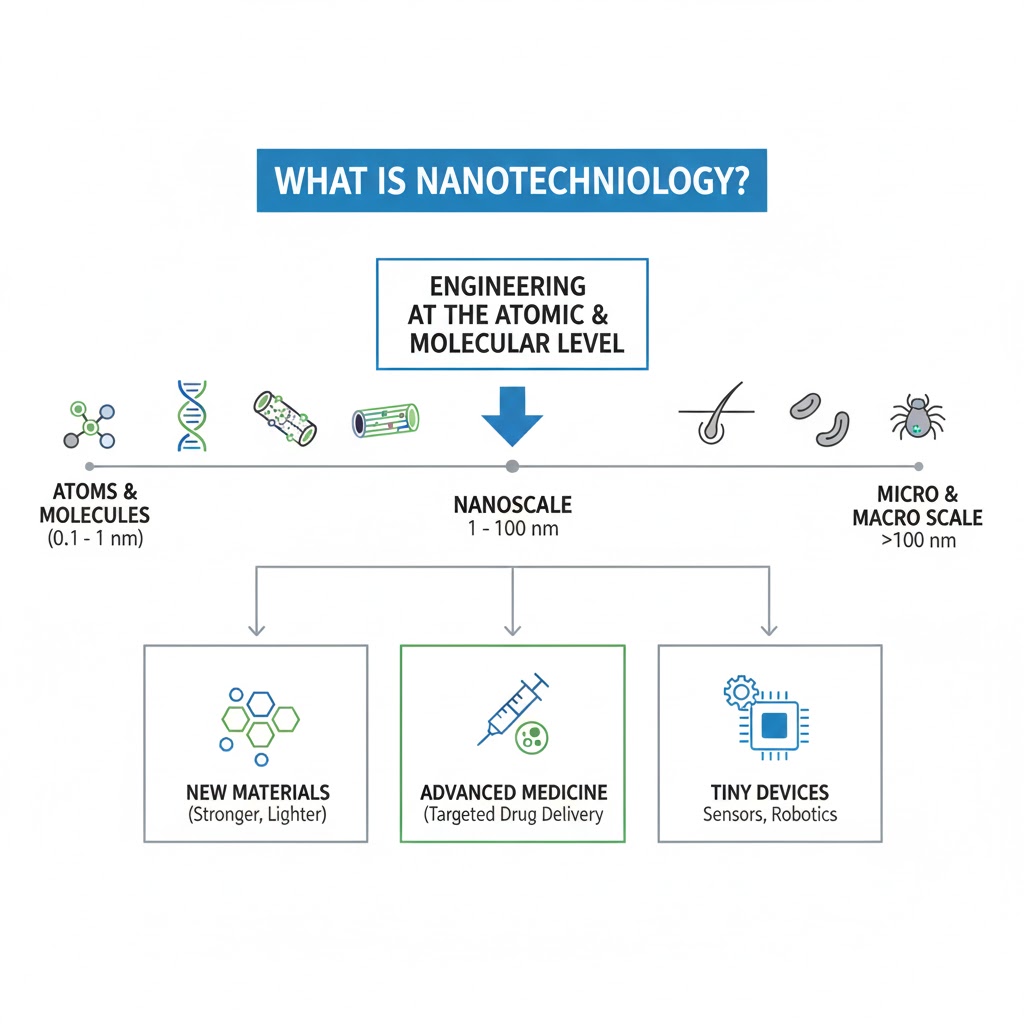
Abstract Nanotechnology has emerged as a foundational scientific domain with wide-ranging implications for medicine, materials science, energy systems, and industrial productivity. This research note examines how sustained, coordinated investment in scientific infrastructure, human capital, and research-to-production integration can enable a country to achieve global competitiveness in an advanced field despite structural constraints. Using Iran’s development Read more

Continue Reading

The Transformative Potential of the Saudi–Pakistan Pact

The mutual defense pact signed on September 17, 2025, between Saudi Arabia and Pakistan is more than a symbolic gesture of friendship between two long-time partners. It marks a turning point in the security architecture of the Middle East and South Asia, signaling that old assumptions about dependence on external protectors, sectarian divisions, and regional alliances are Read more

Continue Reading

Happiness and Health Across Time–From Ibn Sina and Ibn Khaldun to Contemporary Scientific Findings

Abstract The pursuit of happiness and longevity has occupied human thought for centuries, from the philosophical and medical writings of classical Islamic scholars to modern scientific research. Ibn Sina (Avicenna) emphasized the harmony of body and soul in sustaining health, while Ibn Khaldun highlighted the role of social cohesion in individual and communal well-being. Recent Read more

Continue Reading

The US Dollar: From Economic Powerhouse to Political Weapon

Abstract This article explores the historical rise and multifaceted dominance of the US dollar, tracing its evolution from a national currency to a global economic and political instrument. Backed by America’s economic might, military power, institutional stability, and technological leadership, the dollar has long stood at the center of the international financial system. It examines Read more

Continue Reading

Iran’s Position on Uranium Enrichment — A Turning Point or a Stalemate in Negotiations with the United States?

The recent remarks by Iran’s Supreme Leader, who described uranium enrichment as an “inviolable right,” have drawn a clear line. This position highlights the fundamental dilemma in the nuclear negotiations between Iran and the United States: either the U.S. acknowledges Iran’s sovereign right to enrich uranium for peaceful purposes — which could introduce a new Read more

Continue Reading

The Political Instrumentalization of “Terrorism” and Sanctions in Contemporary Foreign Policy

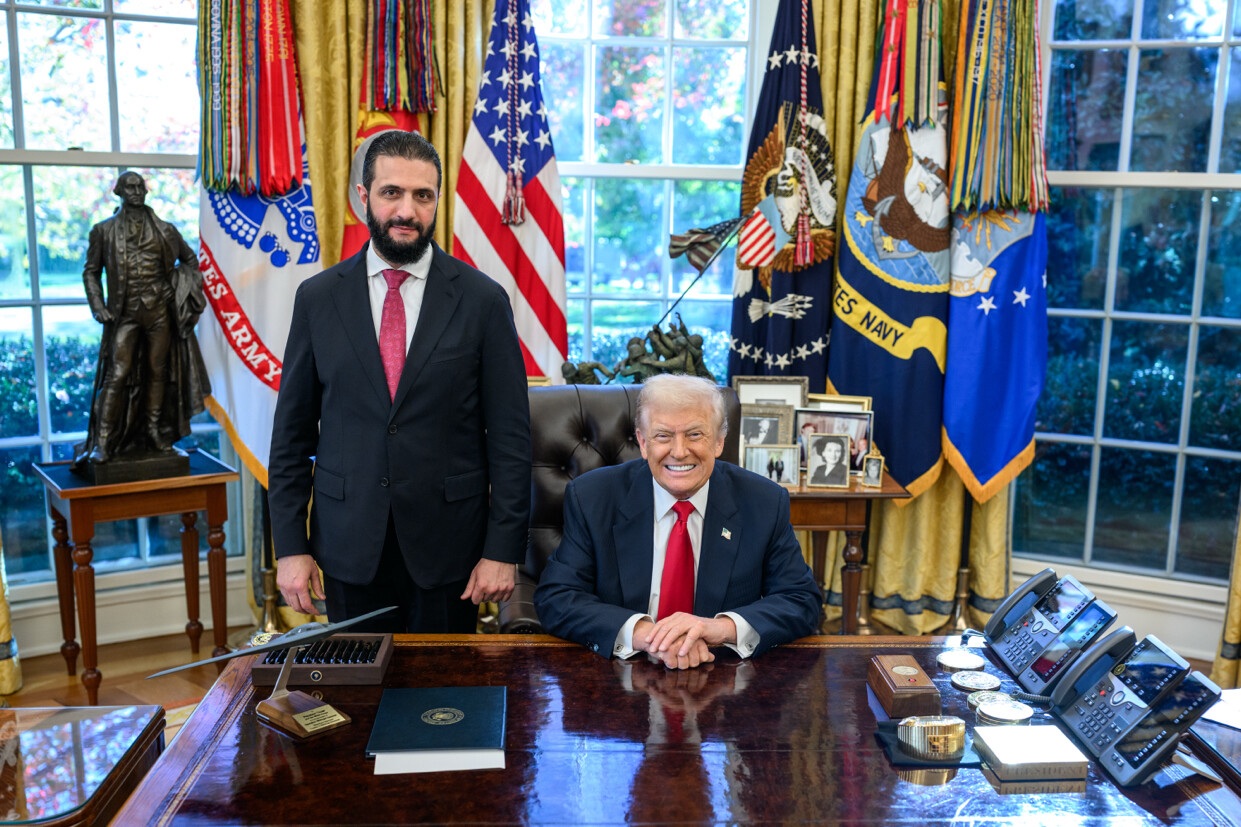
The recent developments surrounding former jihadist Ahmed al-Sharaa—formerly known as Abu Mohammed al-Jolani—and his transformation from a wanted terrorist leader into a sitting president welcomed by the President of the United States illustrate a deeply troubling fact in international relations: the arbitrary use of the “terrorism” label and economic sanctions as tools of political convenience Read more

Continue Reading

Syria at a Crossroads: Fragmentation, Federalism, and the Future of a Divided Nation

Syria, long plagued by civil war, foreign interventions, and deep sectarian divides, is entering a new and uncertain chapter. Recent statements by key actors in the country underscore the growing fragmentation of authority and the crystallization of competing visions for Syria’s future. From the Druze-led resistance in Suwayda to the Kurdish push for federalism in Read more

Continue Reading