
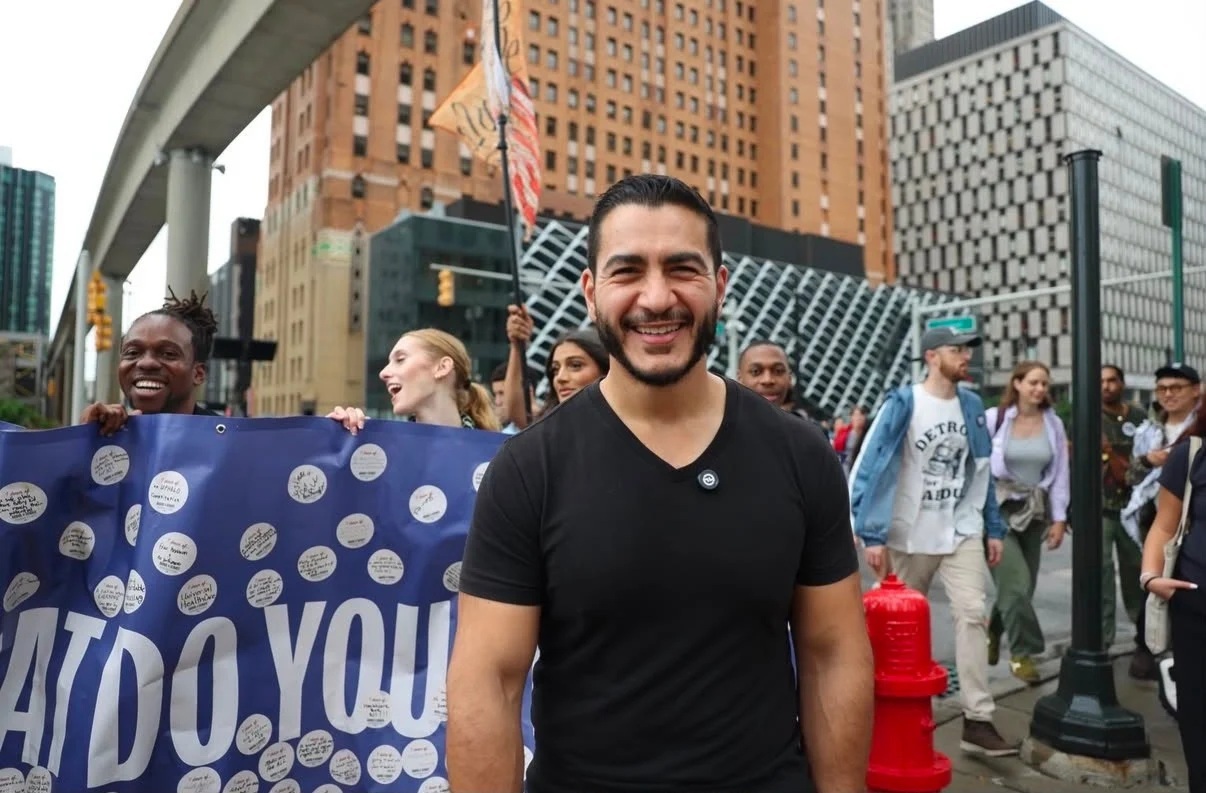
The Meanings and Functions of the Rise of Abdul El-Sayed
The American political landscape has just experienced a seismic tremor. In the Michigan Democratic Senate primary, progressive candidate Abdul El-Sayed defeated establishment-backed Haley Stevens, prevailing in what has been described as the most expensive Senate primary in American history. If El-Sayed triumphs in the November general election against Republican Mike Rogers, he will not only make history as the first Muslim U.S. senator, but his path to the ballot will also serve as a masterclass in modern populist insurgency. His victory is not an anomaly; it is the latest symptom of a profound crisis of faith in the American political establishment.
The Outsider Archetype: Contrasting Candidates, Shared Electability Dynamics
For decades, the gatekeepers of both major political parties have relied on a strict definition of “electability,” heavily favoring candidates with establishment ties, corporate backing, and adherence to institutional norms. Donald Trump famously shattered this paradigm. However, it is vital to draw a sharp distinction between the types of outsiders who have capitalized on this shift. Donald Trump possesses an established record of espousing racist views and built his political base heavily around white nationalism; he leveraged his persona as a businessman with a highly controversial and often corrupt history to flout institutional norms. Abdul El-Sayed, by contrast, is an entirely different kind of candidate. He is a highly educated professional holding both MD and PhD degrees from top Western academic institutions, with a dedicated record of serving the public as a public health official in his state.
Because of these stark contrasts in background, ideology, and personal history, their respective electability should not be compared on the grounds of merit, competence, or moral standing. The parallel lies strictly in how the American electorate currently feels about partisan politics. Voters feel a profound societal crisis and believe radical change is desperately needed, leading them to heavily favor outsiders who reject the status quo. For the past decade, only the political right successfully pushed and reaped the benefits of this anti-establishment outsider narrative. Today, the Michigan primary suggests it is finally time for the left to do the same, harnessing this populist energy for progressive reform.
The Mamdani Parallel and the Progressive Vanguard
This anti-establishment fatigue is not confined to one demographic; it is a structural rejection of a political class viewed as out of touch. This dynamic heavily fueled the recent election of Zohran Mamdani, who successfully defeated establishment heavyweights to become New York City’s first Muslim mayor. Like El-Sayed, Mamdani ran a grassroots, anti-establishment campaign that defied the massive financial advantages of his opponents. Both victories underscore a shifting electorate that prioritizes authenticity and a willingness to challenge powerful interests over traditional political pedigree. When voters feel that both sides of the aisle have failed them on fundamental issues, they actively seek candidates who refuse to play by the old rules. The left is now proving it can use this sentiment just as effectively as the right.
Instrumentalizing the Duopoly: Reforming from Within
Political scientists have long argued that the American two-party system is fundamentally flawed and desperately in need of a robust third party to force systemic reform. However, structural rigidities such as winner-take-all voting, exclusionary debate rules, and onerous ballot access laws have historically doomed third-party efforts, from Ross Perot in the 1990s to various modern independent movements. Because voters recognize they cannot easily undo the two-party system, they have resorted to “hacking” it. They are using the primary mechanisms of the Democratic and Republican parties to bring about radical change to the extent possible. El-Sayed’s primary win is the ultimate expression of this tactic: utilizing the Democratic ballot line to deliver a deeply radical, anti-establishment mandate.
The Exposed Limits of Lobbying Power
Perhaps the most vital takeaway from Michigan is the exposed vulnerability of the lobbying-industrial complex. Organizations like the American Israel Public Affairs Committee (AIPAC) have spent years leveraging vast financial resources to police the boundaries of acceptable political discourse, particularly regarding U.S. foreign policy in the Middle East. In Michigan, AIPAC and its allies spent an unprecedented sum—outspending El-Sayed by roughly 10-to-1—in a desperate bid to protect their favored candidate and sink his campaign.
Still, they lost. This result highlights the limits of powerful lobbying entities that have long contributed to the unpopularity of the partisan system. El-Sayed’s refusal to accept their money, combined with his vocal opposition to their influence, transformed his campaign into a referendum on the role of dark money in democracy. When the public perceives that the partisan system has been hijacked by special interests, they will inevitably revolt against the candidates serving as their proxies, preferring to keep their money focused on domestic crises rather than foreign lobbying interests.
Abdul El-Sayed now faces a decisive battle in November against Republican Mike Rogers. While the general election will determine control of the Senate, the primary has already redrawn the map of American political viability. Whether El-Sayed becomes the first Muslim U.S. senator or not, his campaign has proven that the era of unchecked lobbying dominance and unquestioning party loyalty is fracturing. By channeling the same anti-establishment outsider energy that the right has relied upon for years, the left is showing that it too can demand a radical reimagining of the system—and voters are perfectly willing to use the very structures built to suppress them to achieve it.