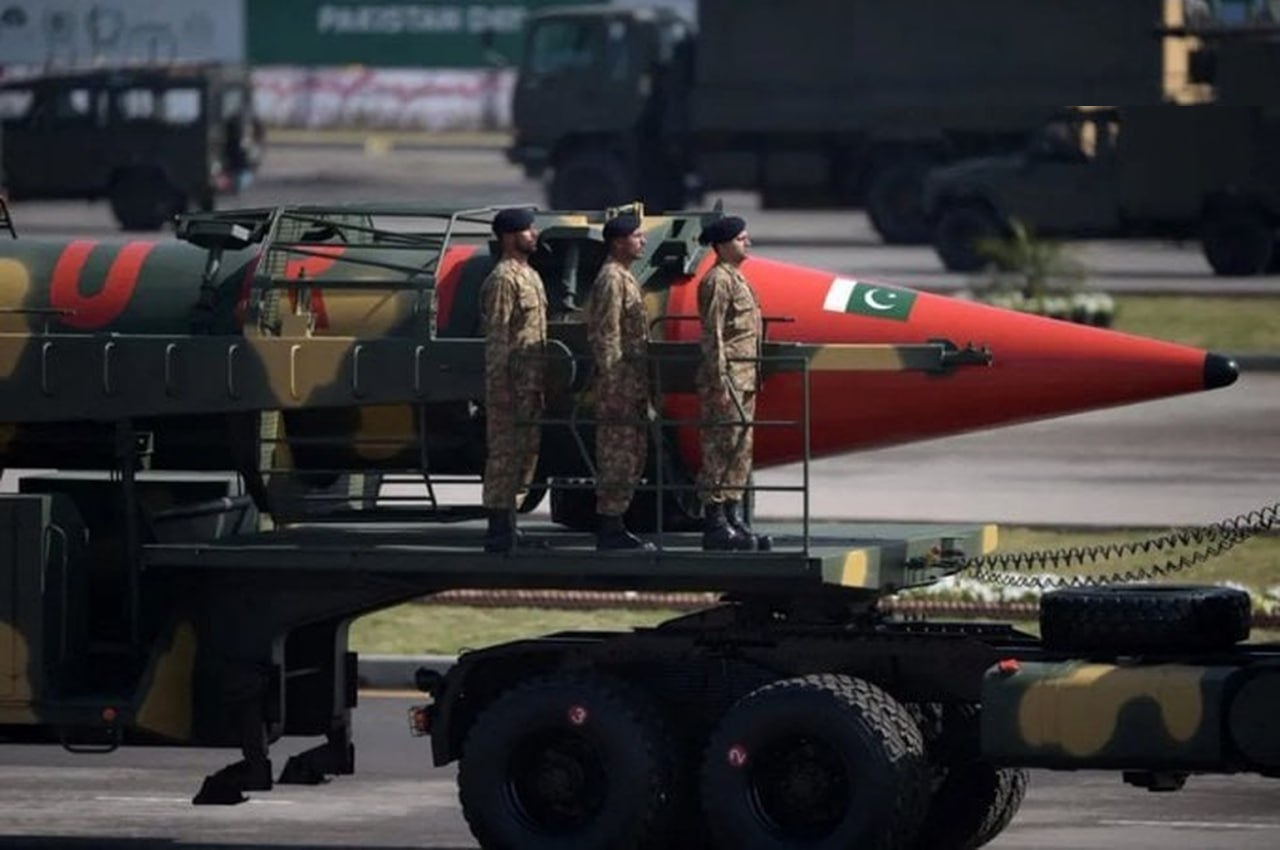
The Nuclear Asymmetry Dilemma

From the Korean Peninsula to the South Asian Flashpoint and Beyond As of mid-2026, the global nuclear landscape is defined by a perilous paradox. While international non-proliferation frameworks strive to contain the spread of atomic weapons, the strategic behavior of established nuclear powers has inadvertently validated the security anxieties of non-nuclear states, triggering a cascading Read more

Continue Reading

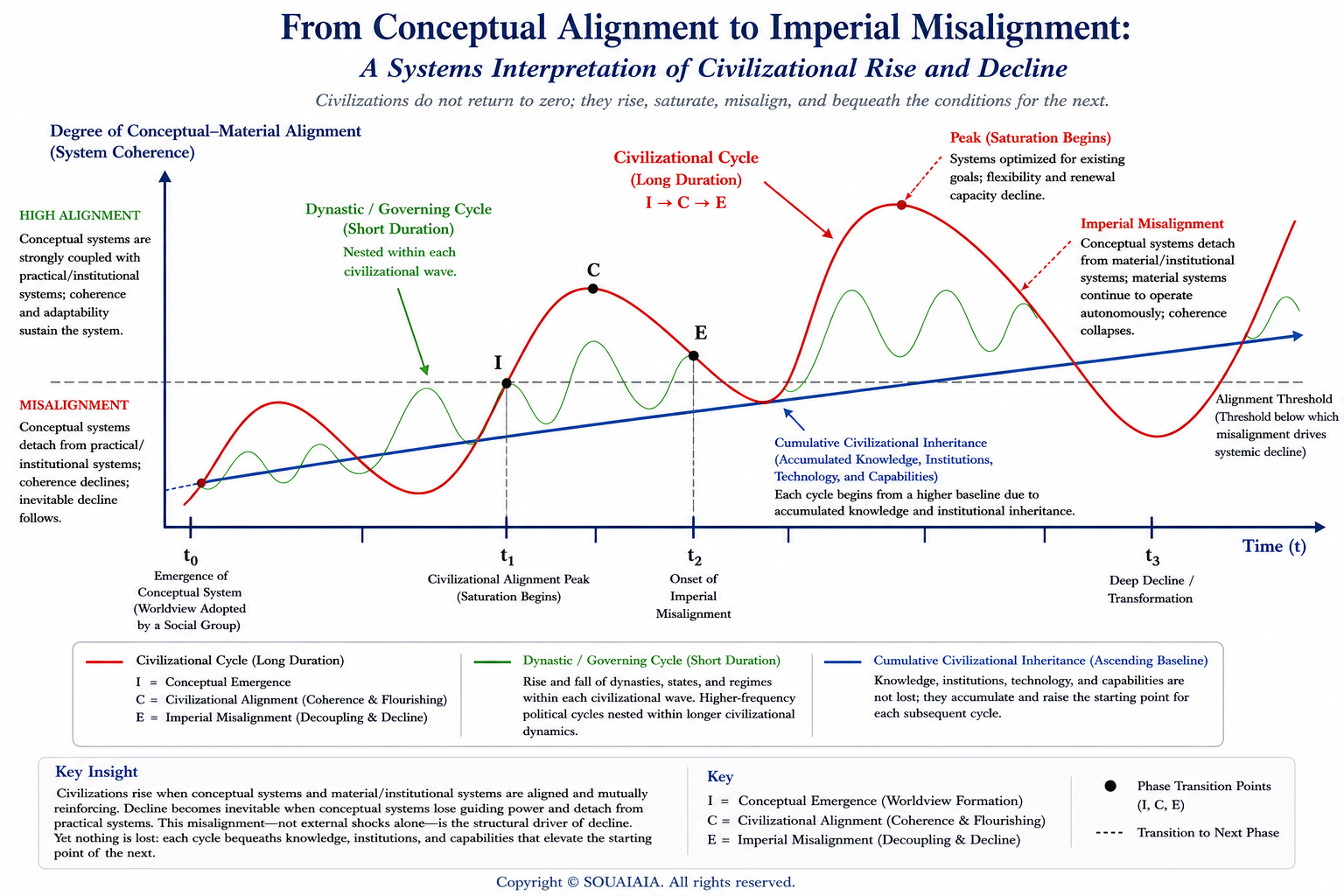
Systemic Completion, Civilizational Misalignment, and the Illusion of Imperial Crisis

Introduction Recent commentary in policy and journalistic circles, typified by essays such as The New York Times piece titled “America Is Officially an Empire in Decline,” interprets the contemporary geopolitical moment through the lens of strategic errors, imperial overreach, and episodic miscalculation. Within this framing, hypothetical or proximate conflicts, including discursive references to the 2026 Read more

Continue Reading

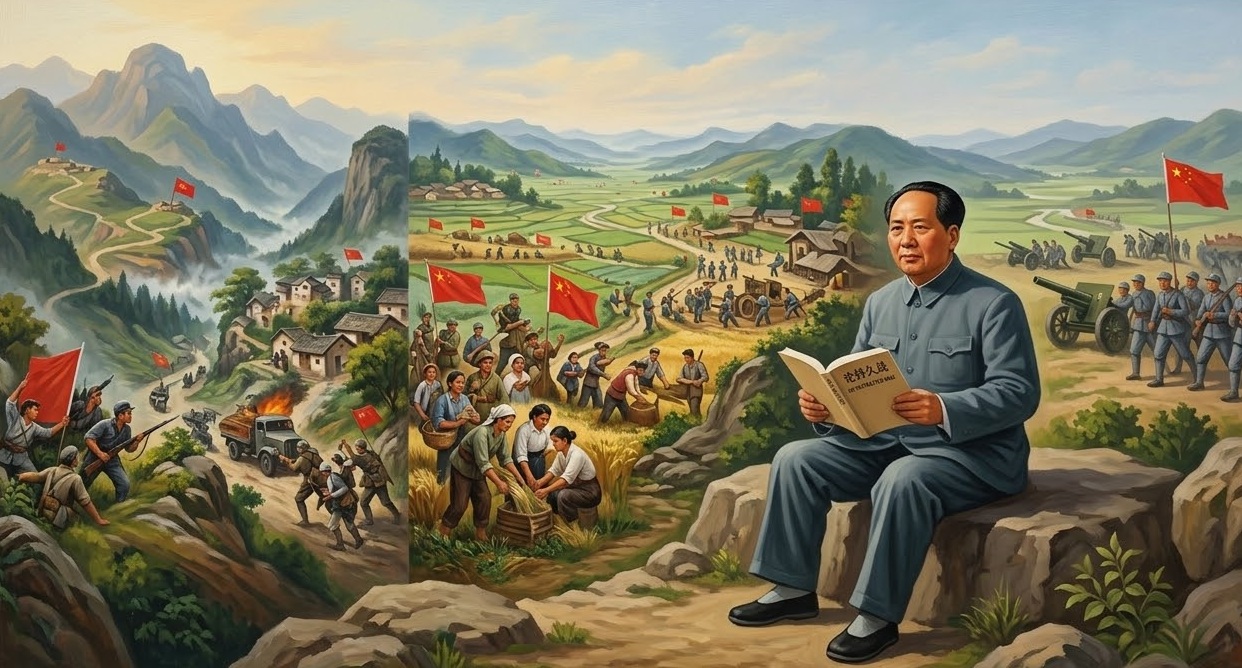
The Convergence of Maoist Protracted War Theory and Iranian Mosaic Defense Doctrine

Asymmetric Endurance Abstract In the contemporary landscape of geopolitical conflict, the disparity between conventional military power and asymmetric resistance has necessitated the evolution of strategic doctrines that prioritize endurance over immediate victory. This article examines the Iranian strategic framework known as “Mosaic Defense,” analyzing its structural and theoretical alignment with the classical principles of protracted Read more

Continue Reading

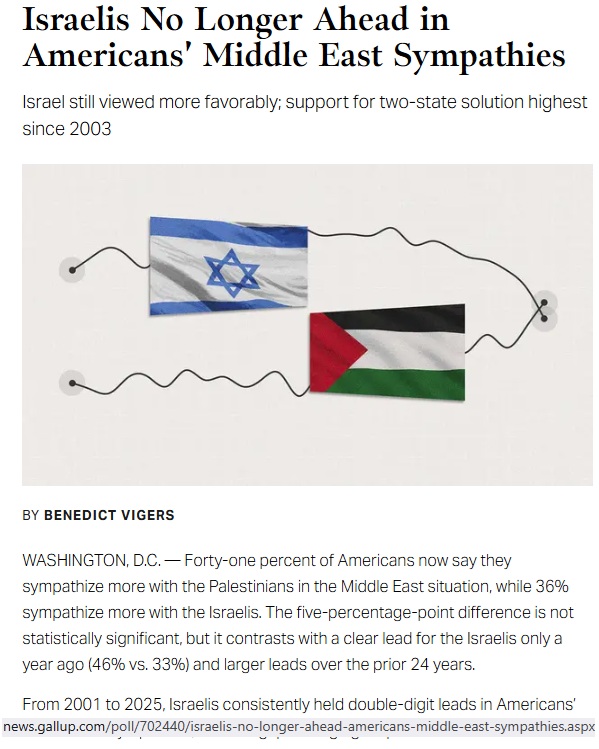
A Historic Shift: US voters sympathize more with Palestinians than Israelis for first time

In a notable departure from decades of consistent polling data, American public opinion on the Middle East conflict has reached a turning point. For the first time in more than twenty years, a greater share of U.S. adults express sympathy for the Palestinian people than for Israel, signaling a profound evolution in the nation’s political Read more

Continue Reading

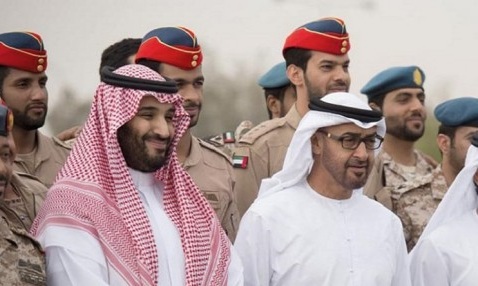
Why the Saudi–UAE Rift in Yemen Matters for the Gulf

What was once carefully managed behind closed doors has now spilled into the open. The escalating dispute between Saudi Arabia and the United Arab Emirates over Yemen marks one of the most serious ruptures within the Gulf Cooperation Council (GCC) since the 2017–2021 crisis with Qatar. This time, however, the stakes may be even higher: Read more

Continue Reading

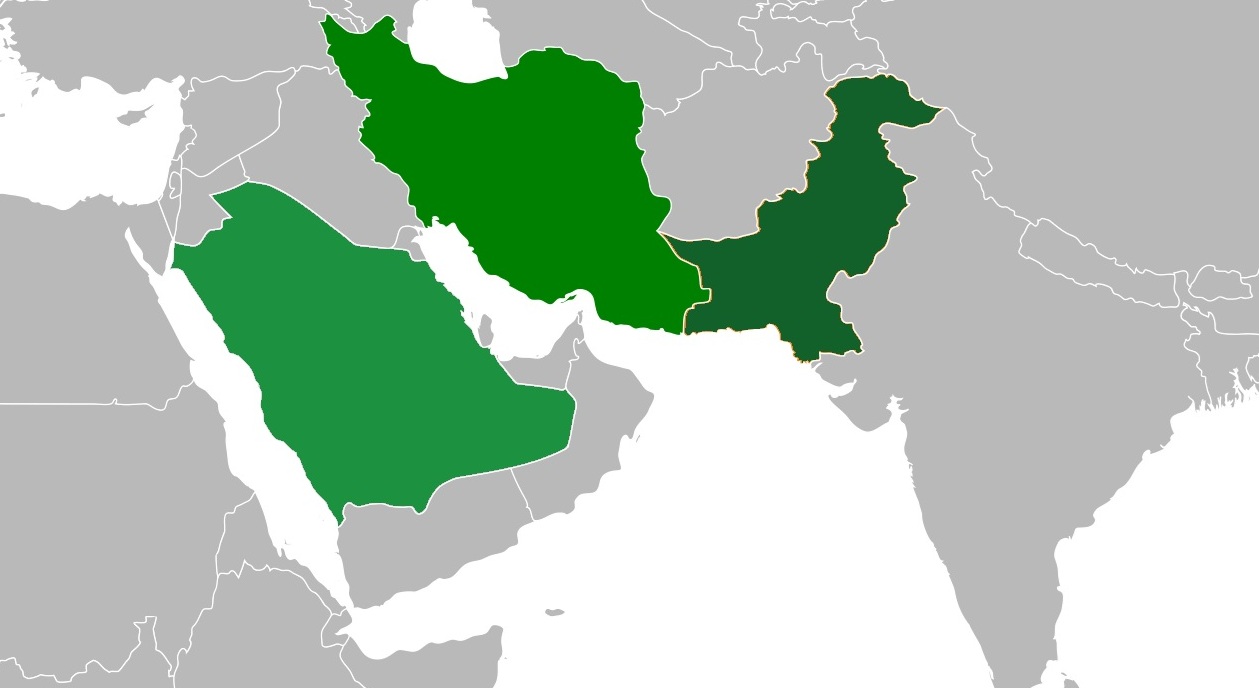
The Transformative Potential of the Saudi–Pakistan Pact

The mutual defense pact signed on September 17, 2025, between Saudi Arabia and Pakistan is more than a symbolic gesture of friendship between two long-time partners. It marks a turning point in the security architecture of the Middle East and South Asia, signaling that old assumptions about dependence on external protectors, sectarian divisions, and regional alliances are Read more

Continue Reading

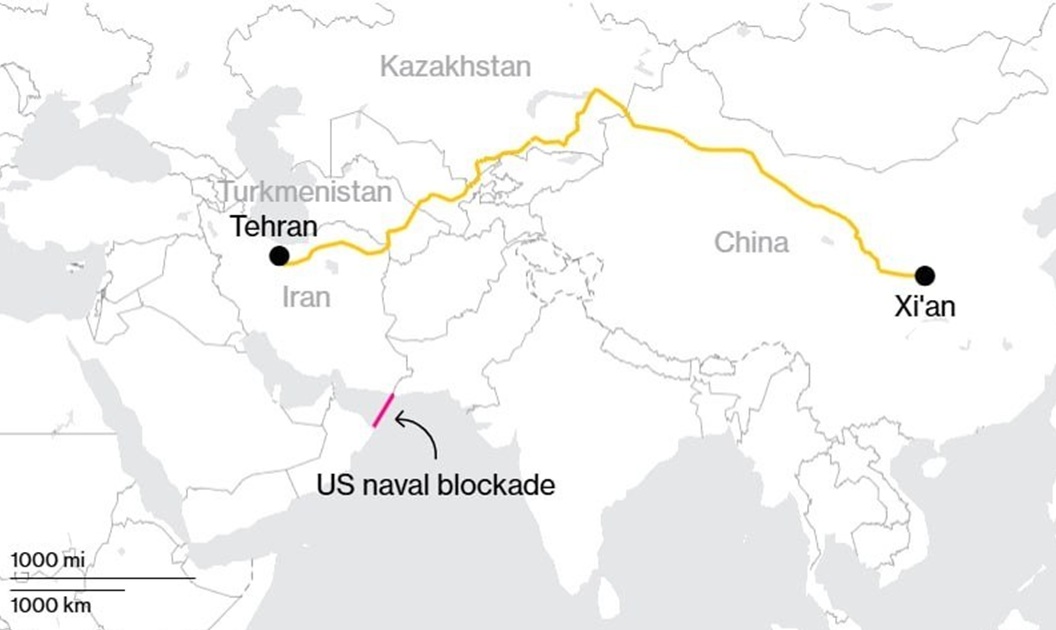
Iran’s Position on Uranium Enrichment — A Turning Point or a Stalemate in Negotiations with the United States?

The recent remarks by Iran’s Supreme Leader, who described uranium enrichment as an “inviolable right,” have drawn a clear line. This position highlights the fundamental dilemma in the nuclear negotiations between Iran and the United States: either the U.S. acknowledges Iran’s sovereign right to enrich uranium for peaceful purposes — which could introduce a new Read more

Continue Reading